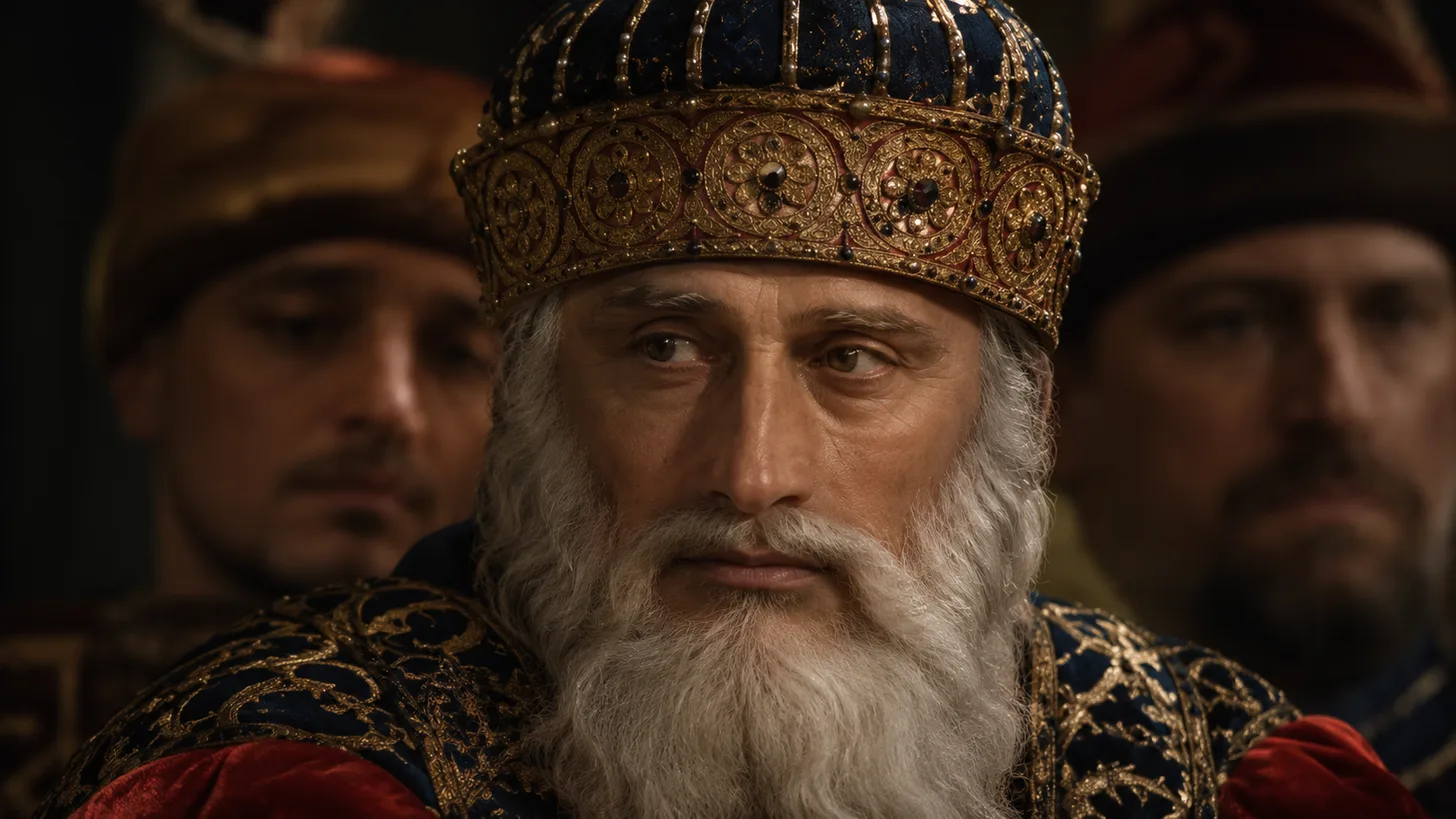
A Byzantine philosopher of about eighty, Plethon came to Italy for a church council in which laymen were told not to speak, and spent it talking to Florentines about Plato instead. His Persian oracles were later Greek texts and the religion he recovered was largely his own, yet his ordering of Zoroaster, the Magi, Pythagoras and Plato helped shape the Renaissance search for an ancient theology.
Portrait · Read more →
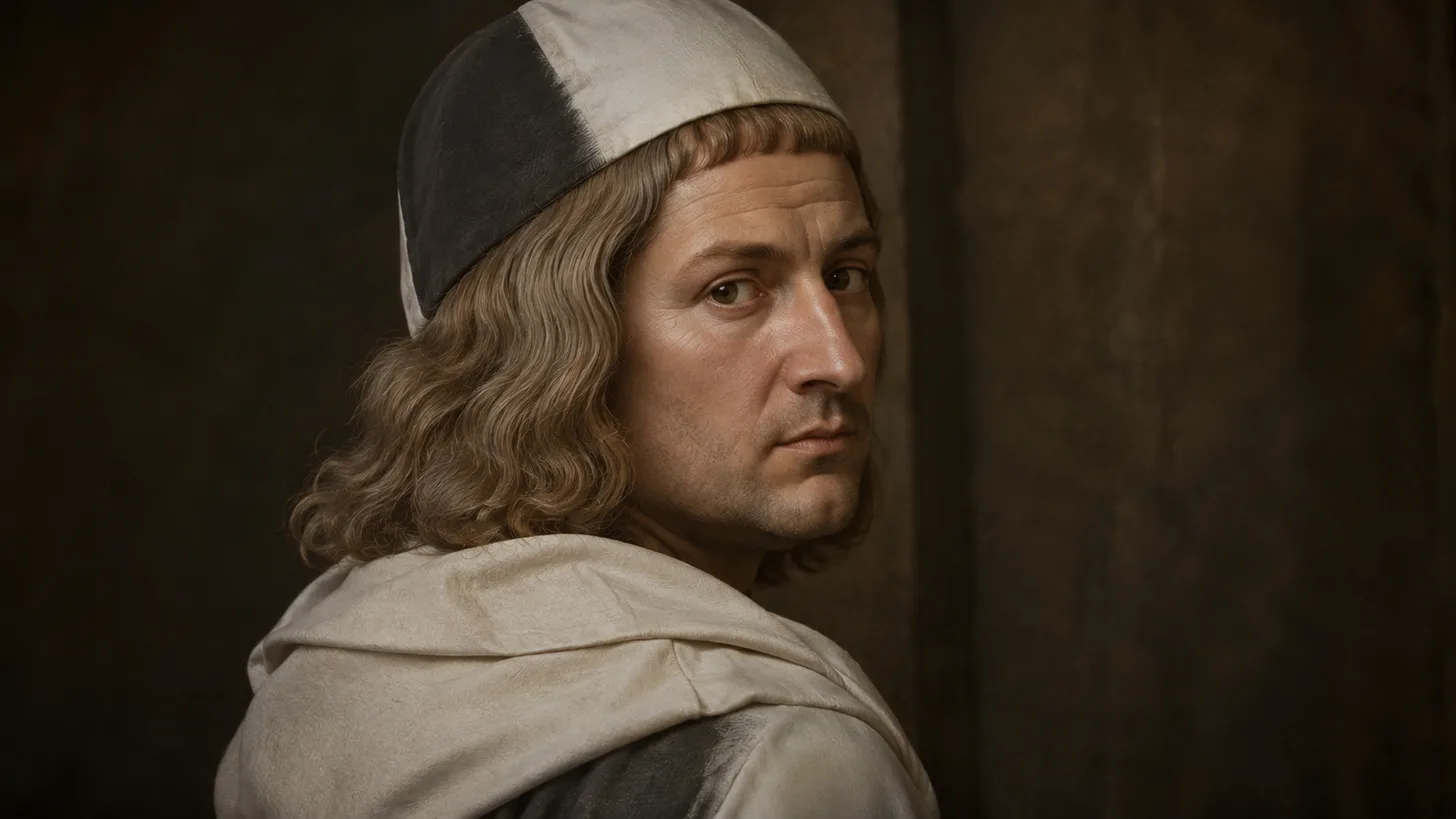
Ficino put his translation of Plato aside for a newly arrived manuscript attributed to Hermes, a legendary Egyptian sage. Christian readers found passages that seemed to anticipate Jesus in texts they believed to be as old as the Books of Moses.
Portrait preview · Read more →
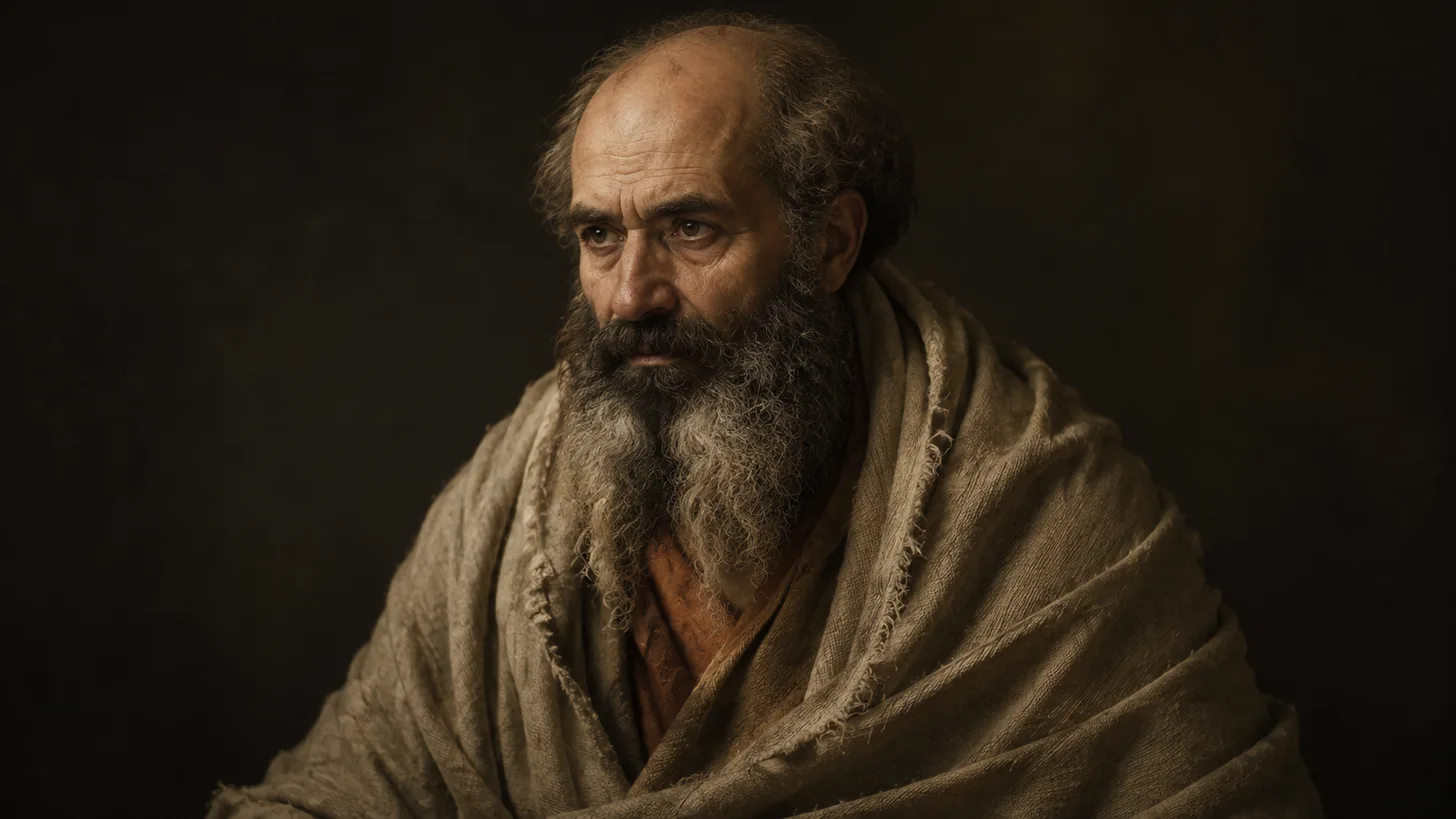
On Palm Sunday in 1484 the prophet Mercurio da Correggio entered Rome on a white ass, under a silver crescent inscribed “This is my Servant Pimander.” The Italian poet who described the scene believed that meeting him had brought about a spiritual rebirth. He made the Egyptian sage Hermes the grandfather of his own lineage, and his dialogue for the king of Naples brought the writings attributed to Hermes into Christianity.
Portrait preview · Read more →

Pico offered to defend nine hundred theses in Rome, hoping to reconcile Greek philosophy, Christianity, and Jewish mystical teachings. The debate never took place. Papal condemnation exposed how much disagreement lay inside his vision of a shared ancient truth.
Portrait preview · Read more →
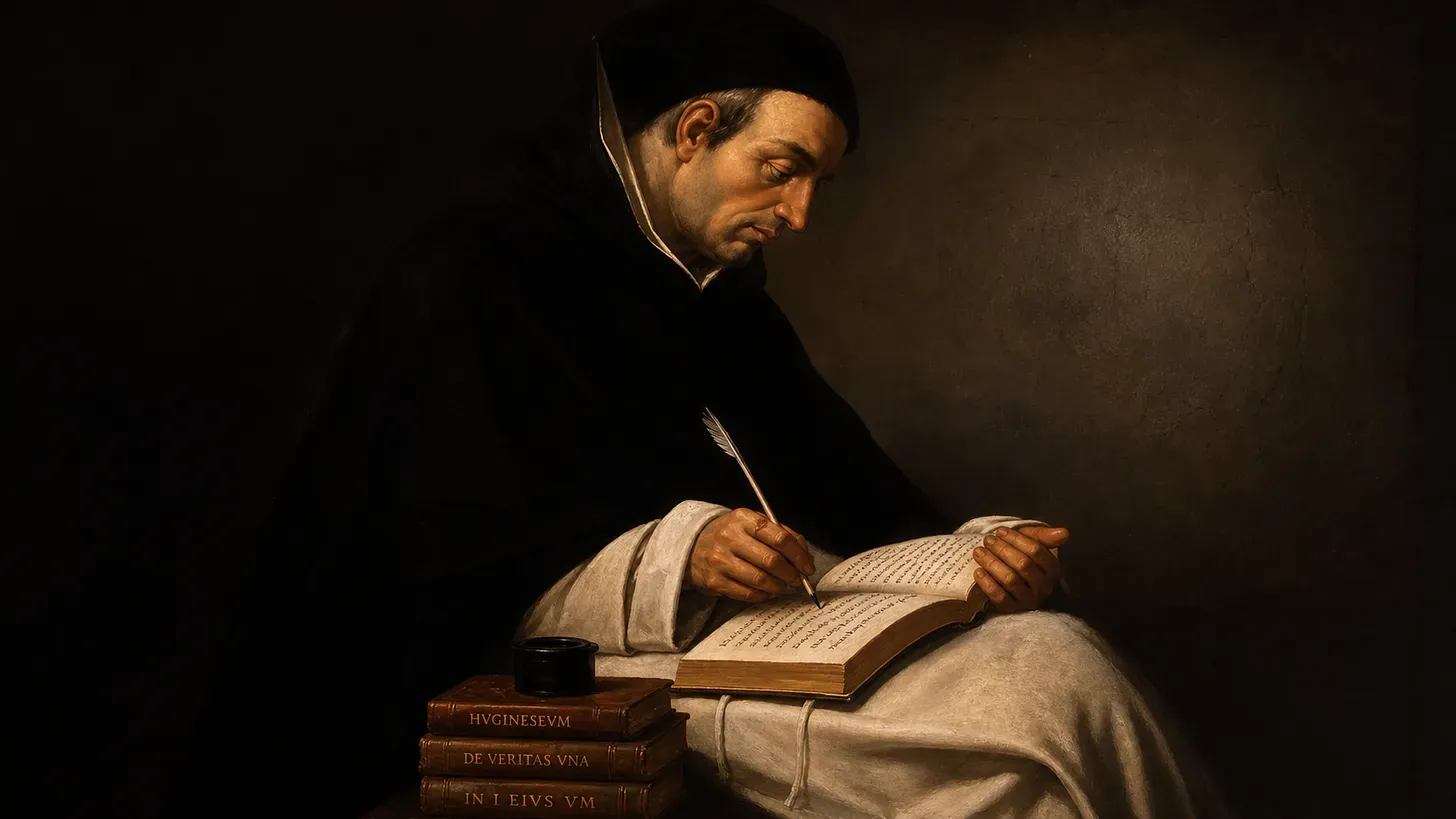
In 1498, a Dominican friar published supposedly lost ancient histories that traced European peoples back to Noah’s family. He had written the most useful evidence himself. The chapter follows the forgeries and explains why exposing them did not undo the histories built around them.
Portrait preview · Read more →
Reuchlin urged Christians to learn Hebrew and defended Jewish books against confiscation and destruction. Yet his admiration had a purpose Jewish readers would not have shared: he believed their teachings about sacred names could help prove the truth of Christianity.
Portrait preview · Read more →
The abbot of Sponheim wrote a book that looked like instructions for summoning spirits but concealed methods of secret communication. He also invented an ancient chronicler for his history of the Franks. His career brings secret writing, historical forgery, and learned magic into the same study.
Portrait preview · Read more →
In a lecture at Pavia Agrippa made the Egyptian sage Hermes a grandson of Abraham, and his books gave readers instructions for connecting earthly things with heavenly powers, including numbered squares they could engrave on metal. The chapter follows this learned magic into print and later collections, asking how designs travelled and what we can establish about the objects that bear them.
Portrait preview · Read more →
Servetus believed that the churches had replaced the original Christian faith with later doctrines, above all the Trinity. His attempt to restore that faith drew on ancient philosophy as well as Scripture, and brought him into a conflict that ended with his execution in Geneva.
Portrait preview · Read more →
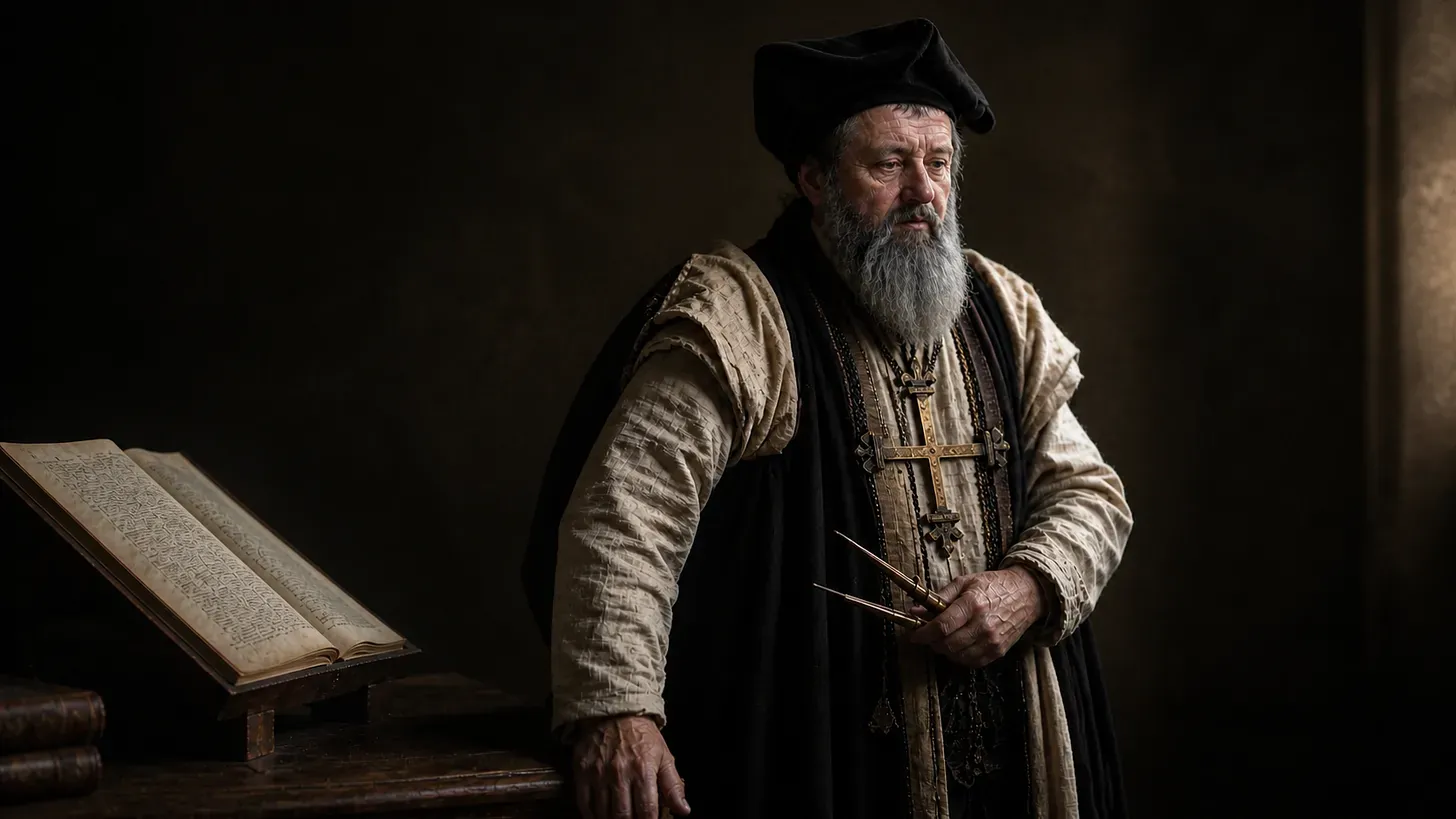
Postel travelled in the Ottoman world, studied languages, and searched for evidence that humanity could recover a shared religion. His extraordinary learning did not keep him from defending forged histories. It also helped train readers who would turn those skills against his conclusions.
Portrait preview · Read more →
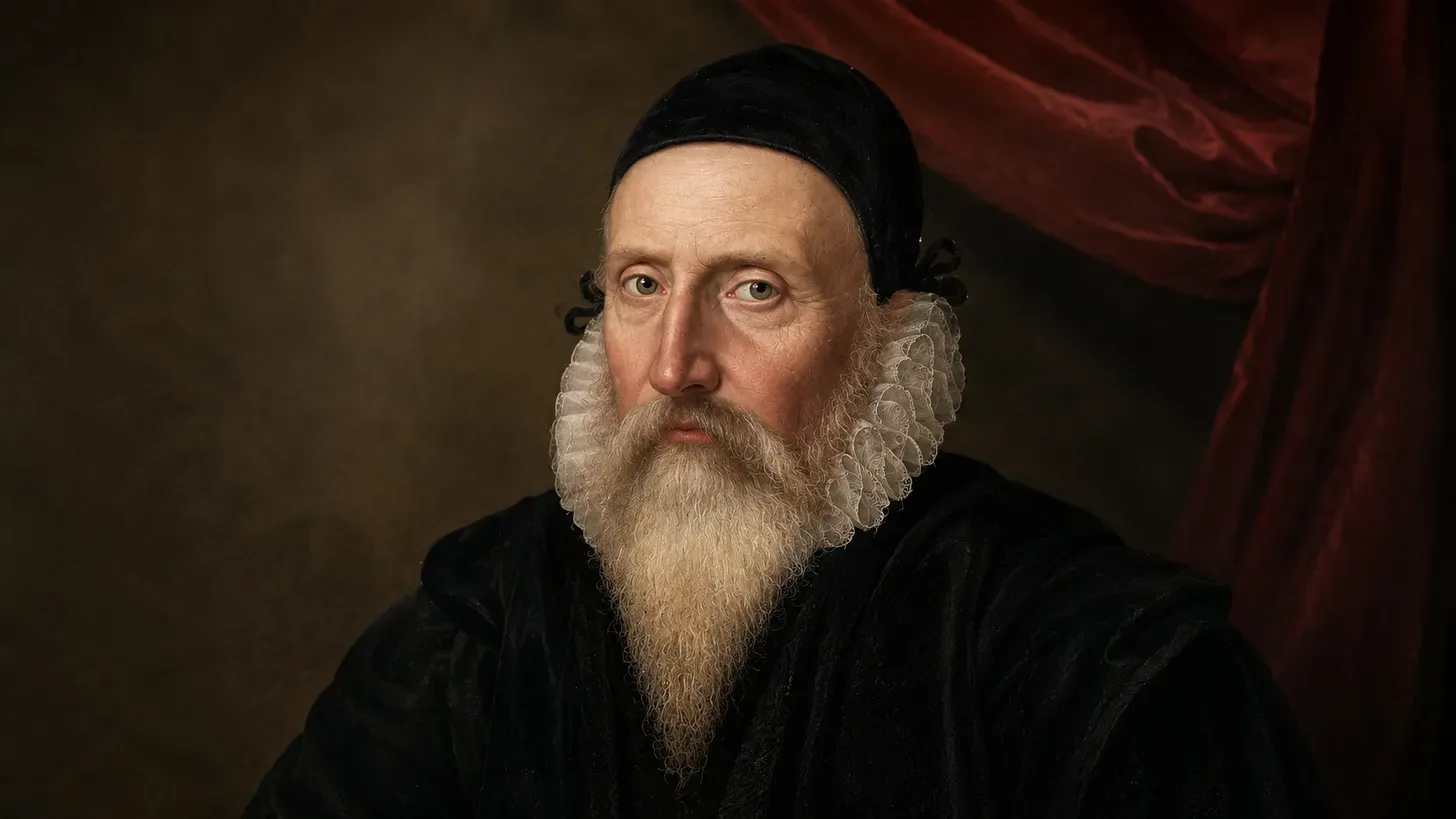
In 1582, the mathematician John Dee asked an angel about a mysterious book he already owned. According to his diary, it had been revealed to Adam in Paradise, but only another archangel could explain it. The answer made the manuscript more precious without making it readable.
Portrait preview · Read more →
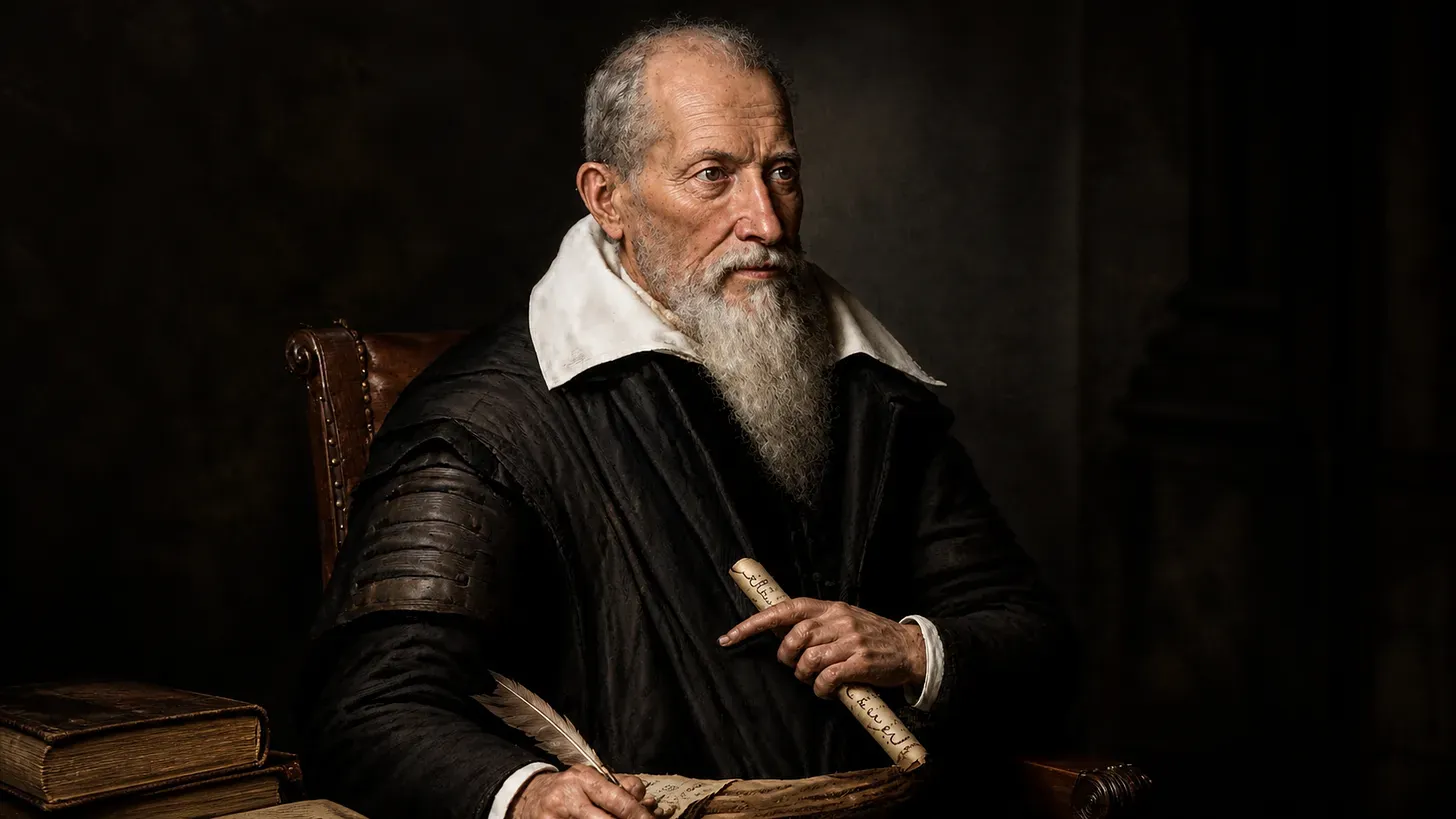
As a young man, Scaliger took Postel’s advice to learn the languages of untranslated books. He later used that learning to challenge the kinds of ancient history his teacher cherished. Their relationship opens a chapter about calendars, conflicting witnesses, and the detection of forged antiquities.
Portrait preview · Read more →
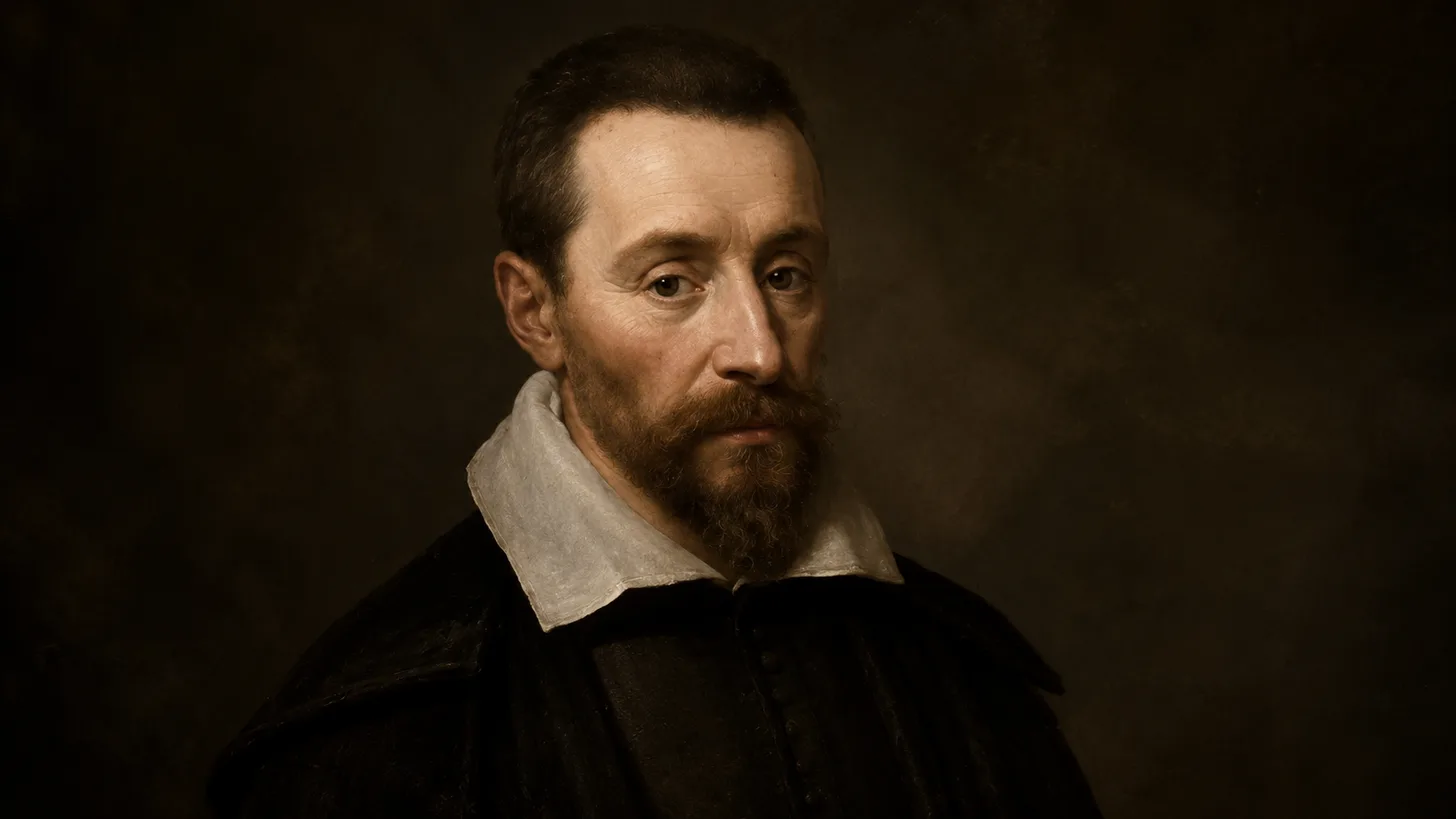
For generations, Christians had read Hermes as an Egyptian sage who anticipated their religion before Moses. In 1614, Casaubon examined the Greek and showed that the writings belonged to a much later age. His correction forced readers to reconsider what these texts could prove.
Portrait preview · Read more →
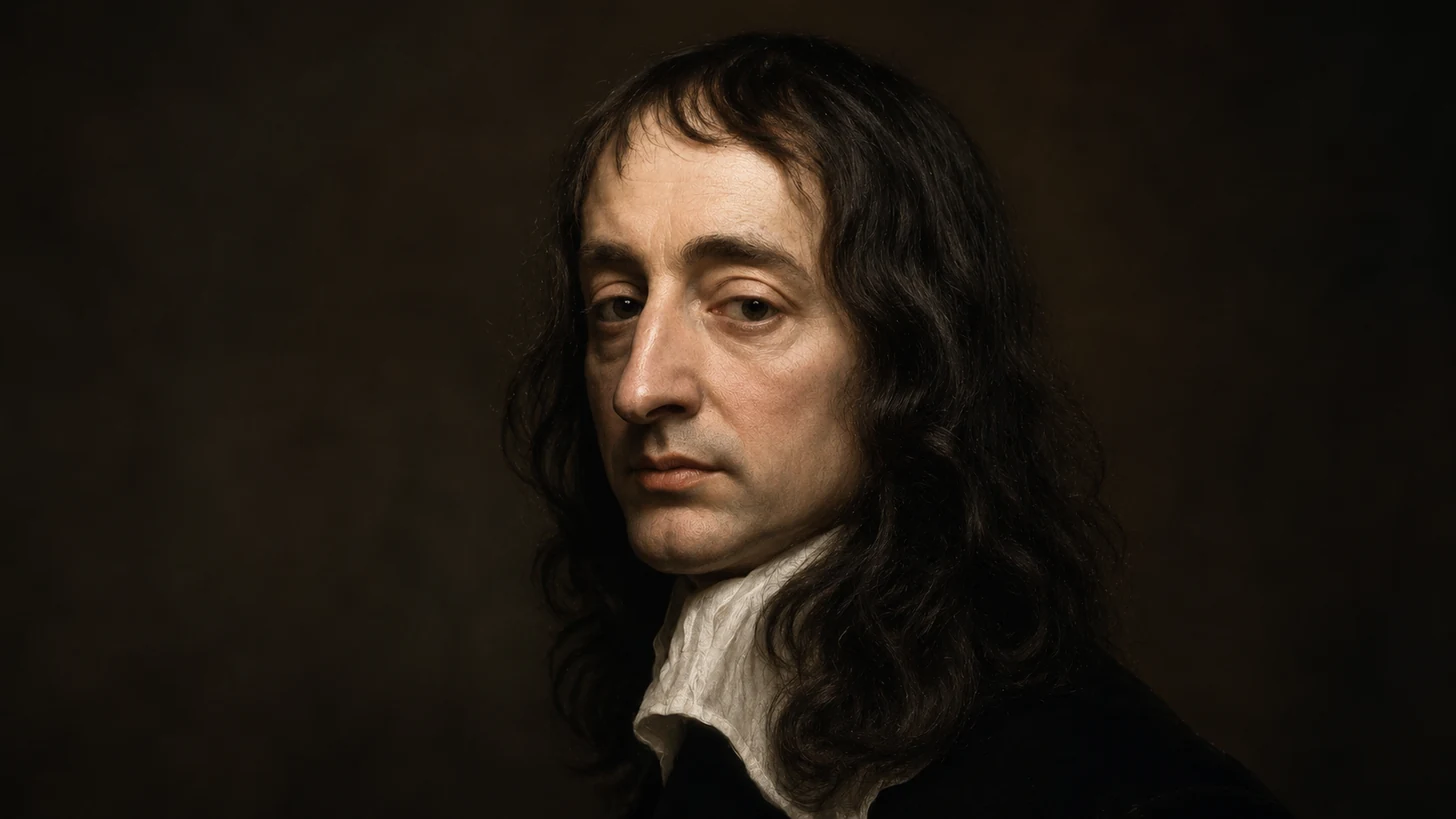
Who were the unfamiliar gods named in the Bible, and could biblical history explain a law binding every nation? Selden pursued both questions through ancient testimony and Jewish learning, moving from Syrian worship to the duties traditionally assigned to Noah’s descendants.
Portrait preview · Read more →
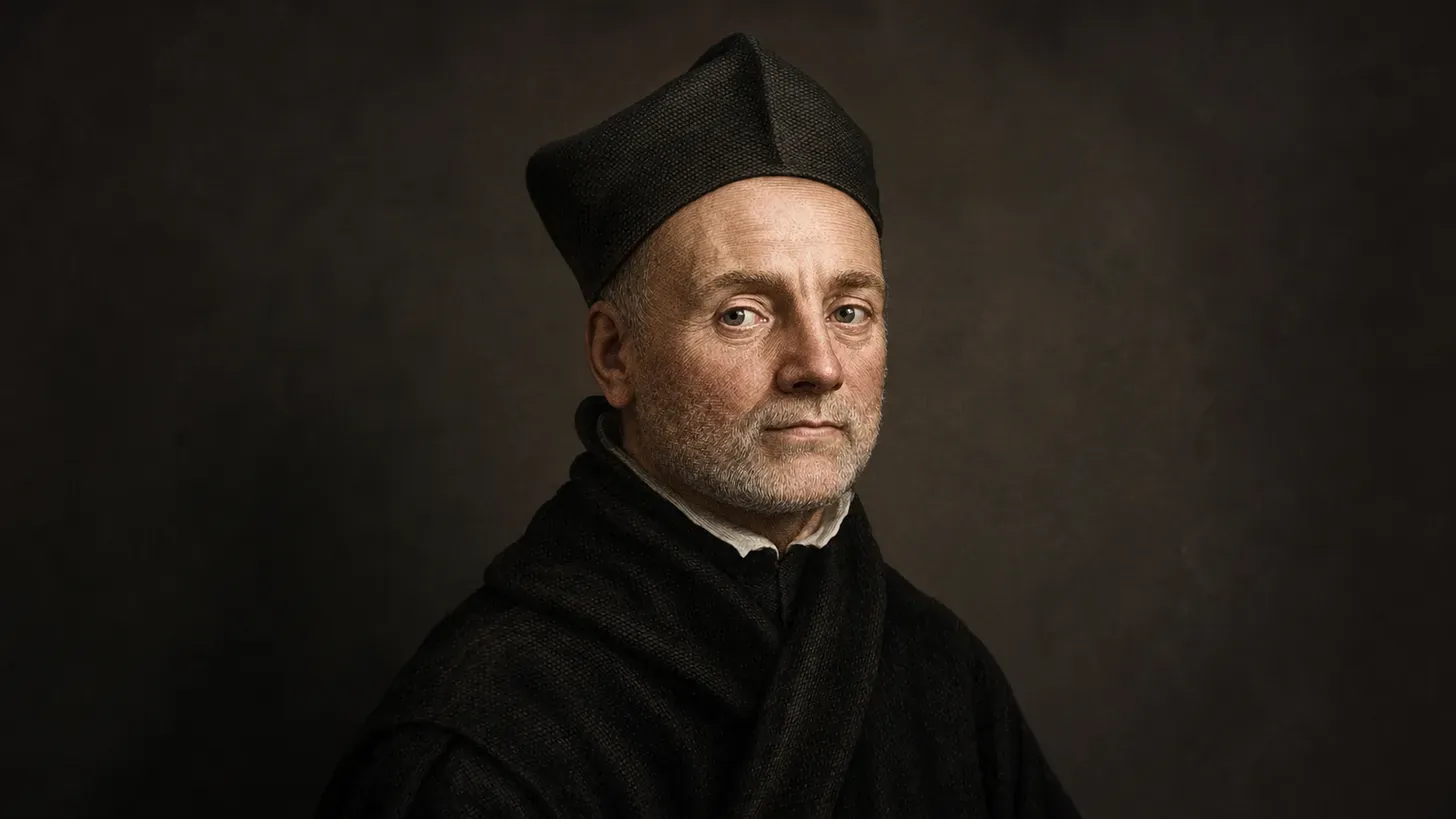
A symbol devised by John Dee found its way into Kircher’s account of ancient Egyptian wisdom. Following that borrowing reveals how the Jesuit interpreted monuments and images through teachings he already expected to find, assembling an Egypt that could confirm his Catholic history of religion.
Portrait preview · Read more →
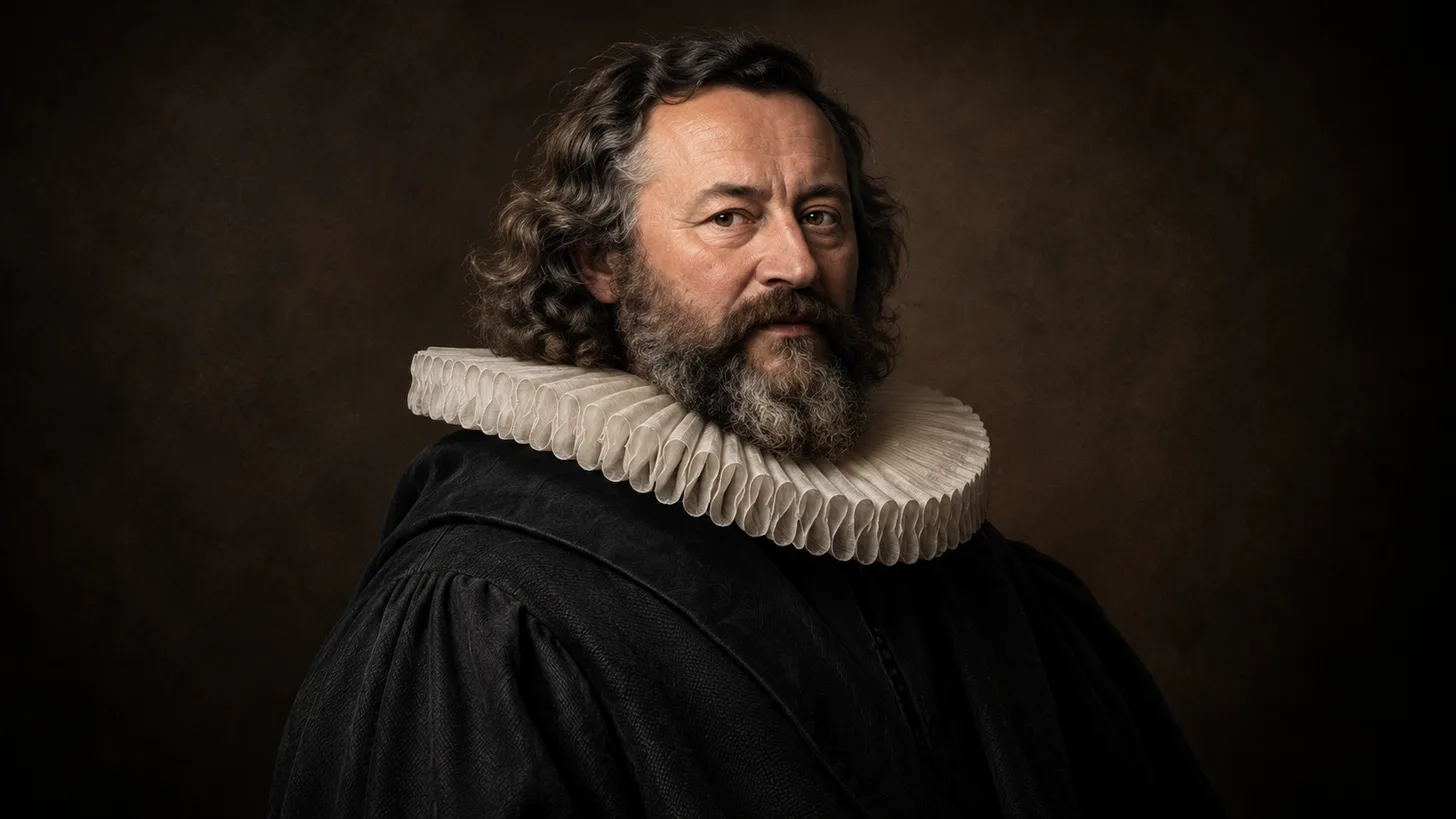
Vossius thought pagan gods might be remembered human ancestors: Saturn could be Noah, and Jupiter his son Ham. His vast comparisons offered readers a biblical explanation for religious differences, while leaving them to decide when a resemblance was strong enough to establish an identity.
Portrait preview · Read more →
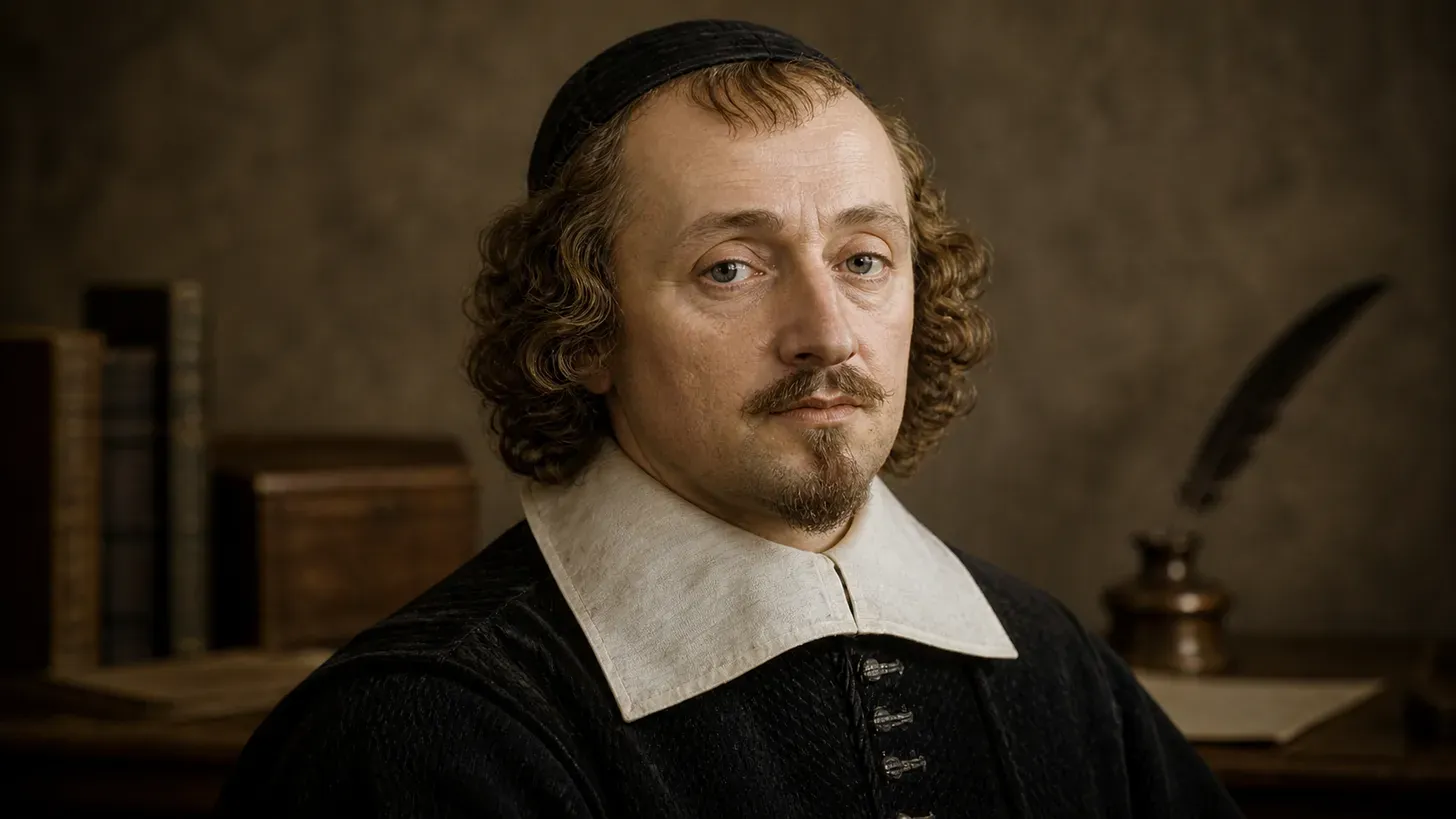
Bochart searched ancient place-names for traces of Noah’s descendants and Phoenician sailors. His sacred geography used words to reconstruct journeys where written histories were missing, and his work attracted scholars across the religious divisions of seventeenth-century Europe.
Portrait preview · Read more →
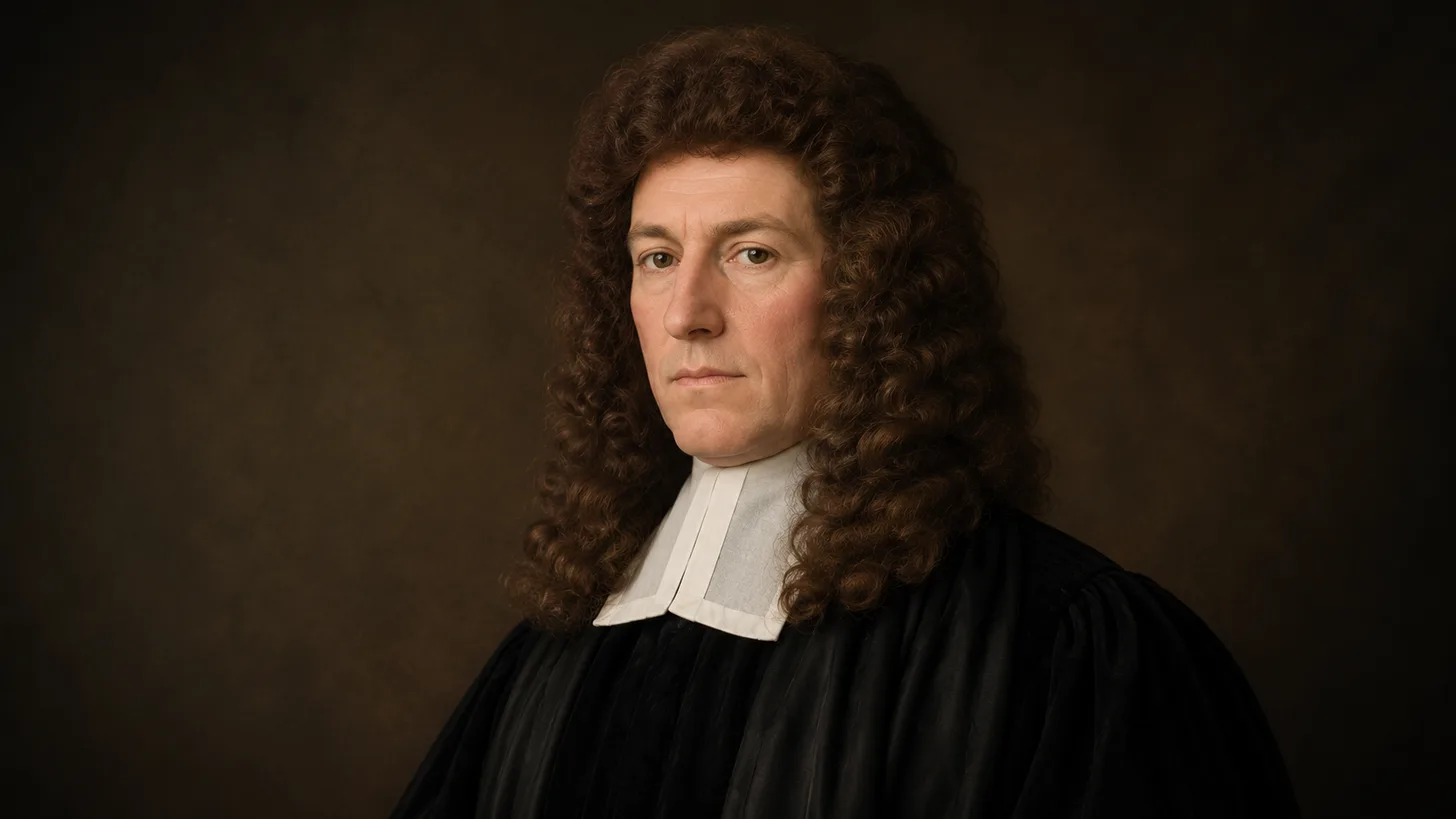
Could peoples who worshipped many gods still have known one supreme God? Cudworth searched Egyptian, Persian, and Greek writings for an answer, gathering pagan testimony against atheism. Later readers questioned whether the agreement he found belonged to the ancient authors or to his interpretation.
Portrait preview · Read more →
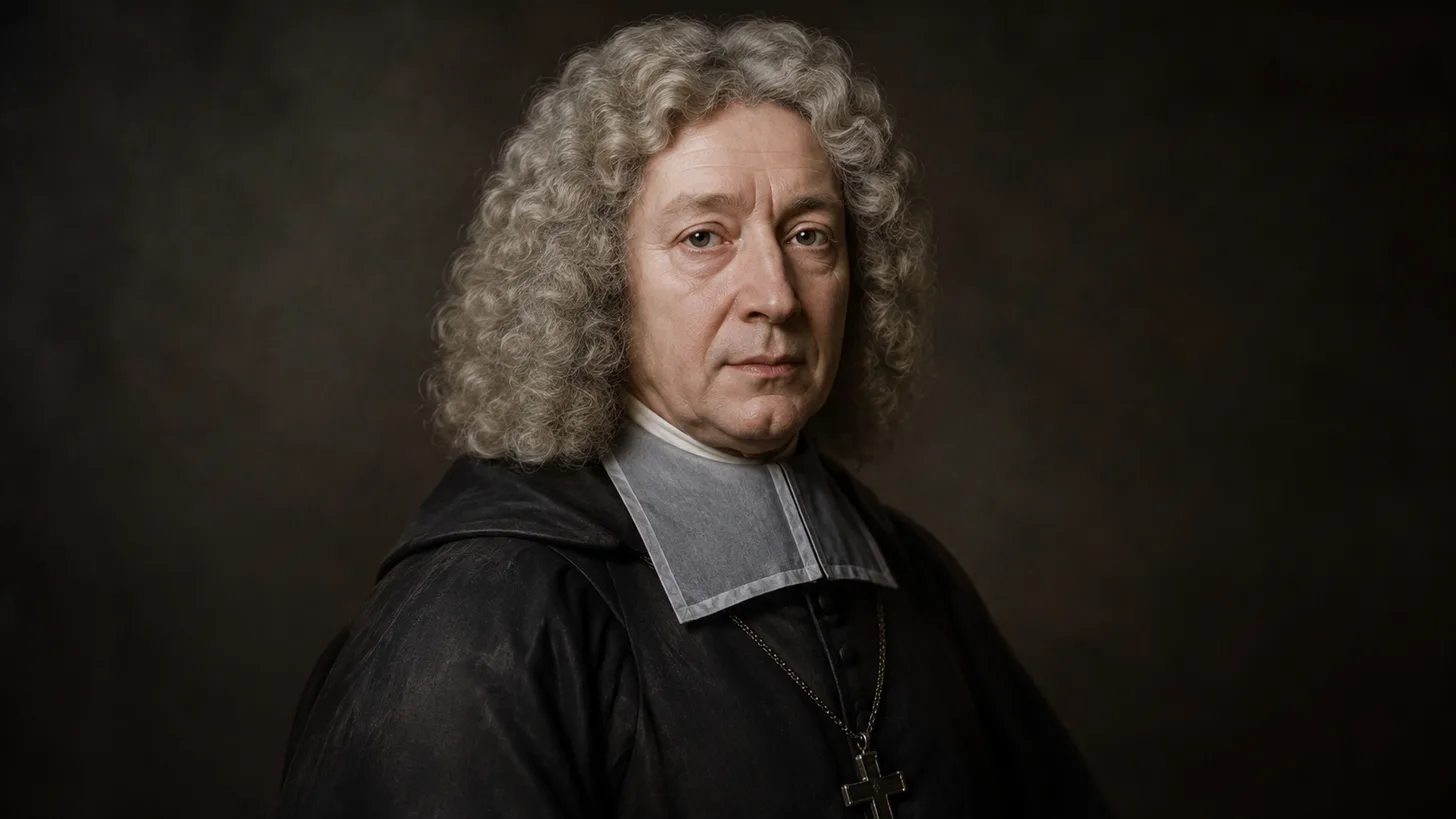
Huet found Moses behind a remarkable number of pagan heroes and teachers. Their stories, he argued, were altered memories of biblical events. His learned defense of Christianity raises a persistent question for comparative religion: how many similarities make two figures the same person?
Portrait preview · Read more →
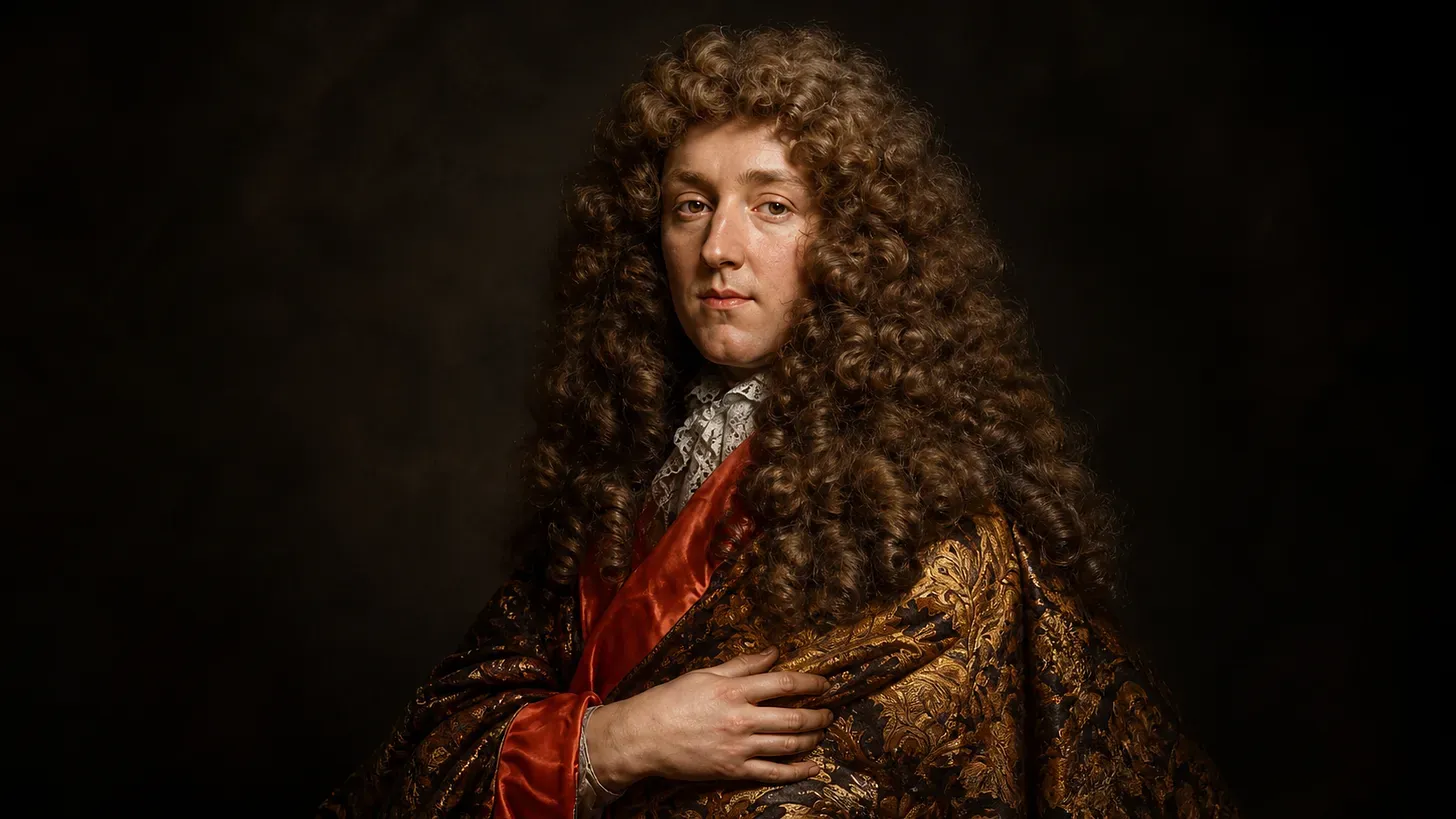
Burnet imagined the earth before the Flood as a smooth shell covering enormous reserves of water. When the shell broke, it left the mountains and oceans we know. His attempt to explain Genesis through natural causes raised questions that reached well beyond geology.
Portrait preview · Read more →
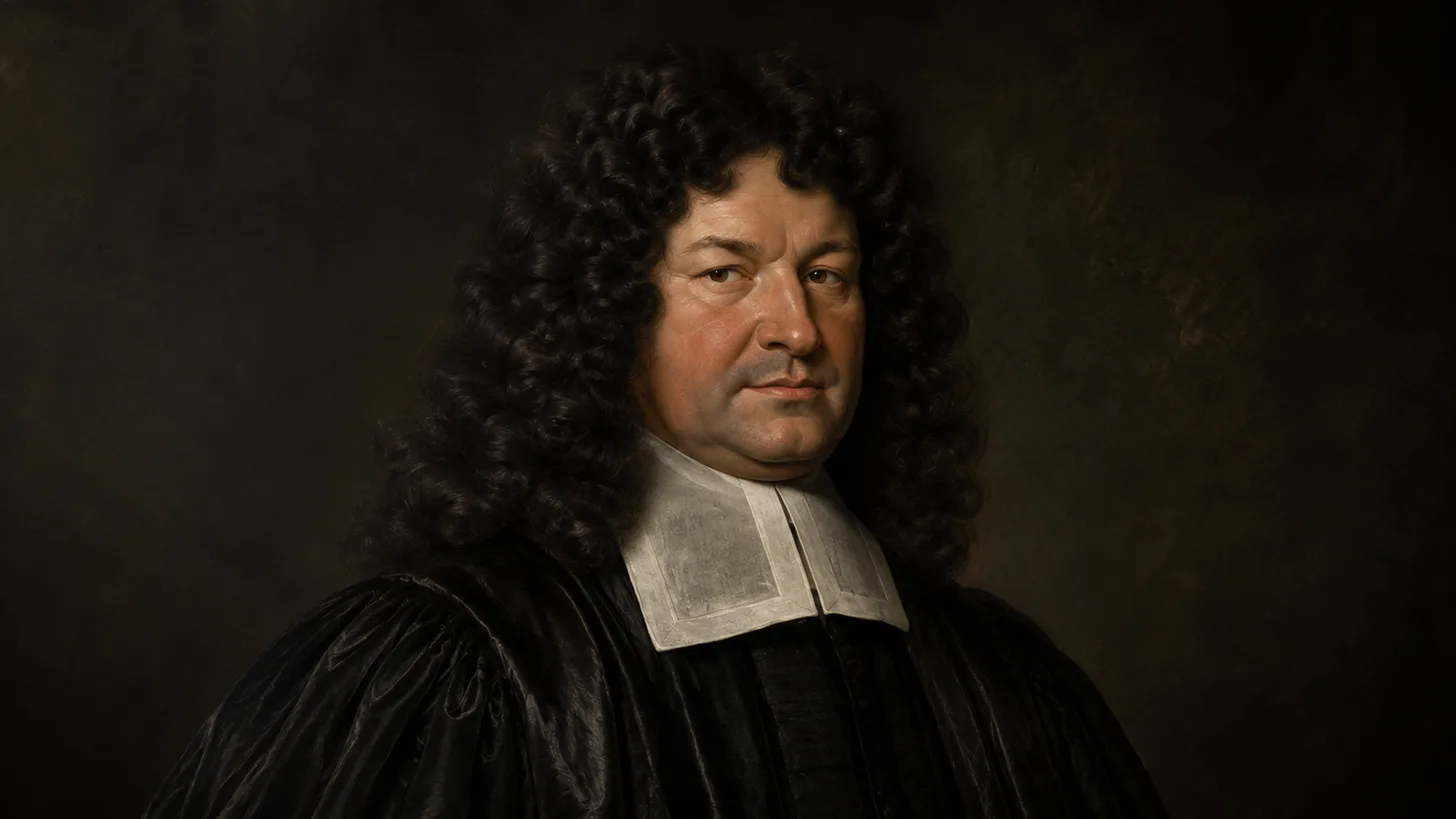
Why did parts of the law of Moses resemble Egyptian ritual? Spencer argued that God had adapted familiar practices for a people shaped by life in Egypt. An explanation meant to defend revelation gave other readers a way to examine the human history of biblical worship.
Portrait preview · Read more →
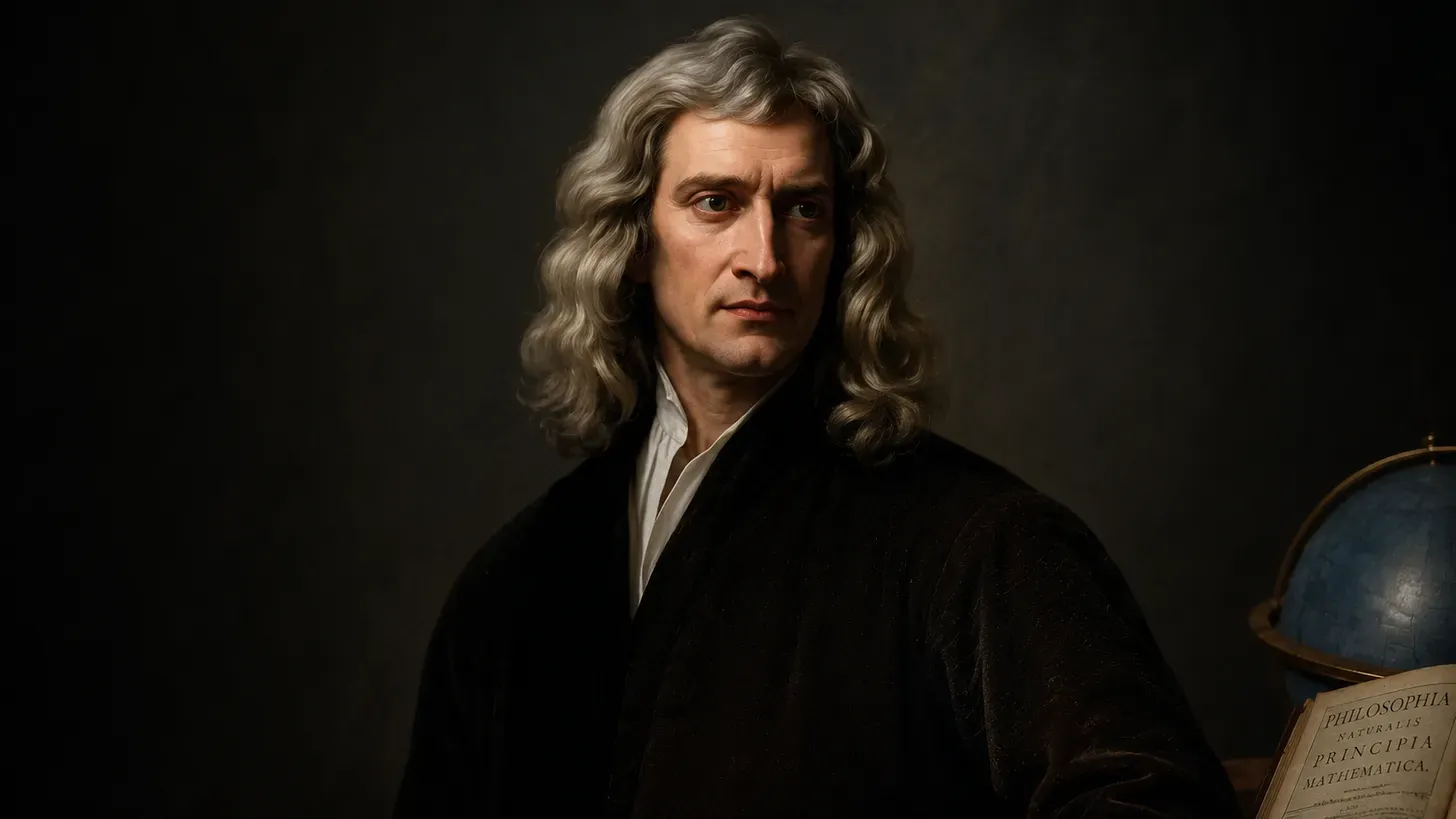
Newton’s unpublished papers reveal years spent investigating ancient religion and the corruption of Christianity. He rejected the Trinity and searched for humanity’s earliest knowledge of God, pursuing conclusions that could have threatened his Cambridge position had he made them public.
Portrait preview · Read more →
Newton’s successor lost his Cambridge professorship for publicly rejecting the Trinity. Whiston continued his search for original Christianity outside the university, writing about prophecy, explaining the Flood through comets, and translating Josephus for generations of English readers.
Portrait preview · Read more →
An unfamiliar Gospel of Barnabas seemed to give Toland evidence of a Christianity the churches had suppressed. Its Jesus denied being the son of God and escaped crucifixion. The manuscript suited his argument against church authority, but it was far younger than he believed.
Portrait preview · Read more →
Stukeley measured Stonehenge and Avebury with care, then interpreted their stones as evidence of a Druid religion descended from the biblical patriarchs. His books preserved valuable records of the monuments alongside a speculative account of what their builders believed.
Portrait preview · Read more →
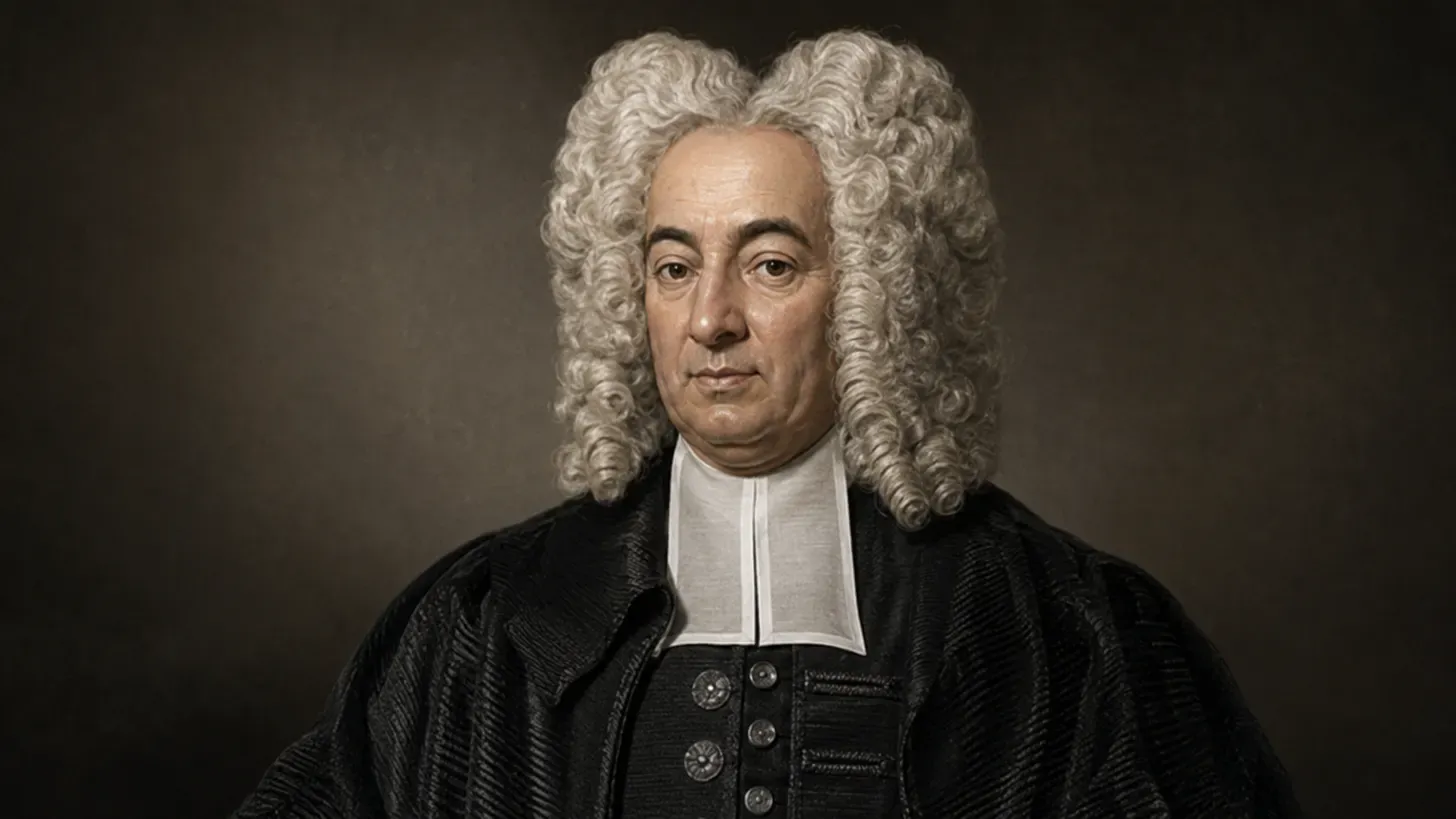
In Boston, Mather gathered European scholarship and missionary reports into an enormous commentary on the Bible. He hoped to answer critics of revelation and account for the religions of distant peoples. The work remained unpublished, preserving a less familiar view of Puritan intellectual life.
Portrait preview · Read more →
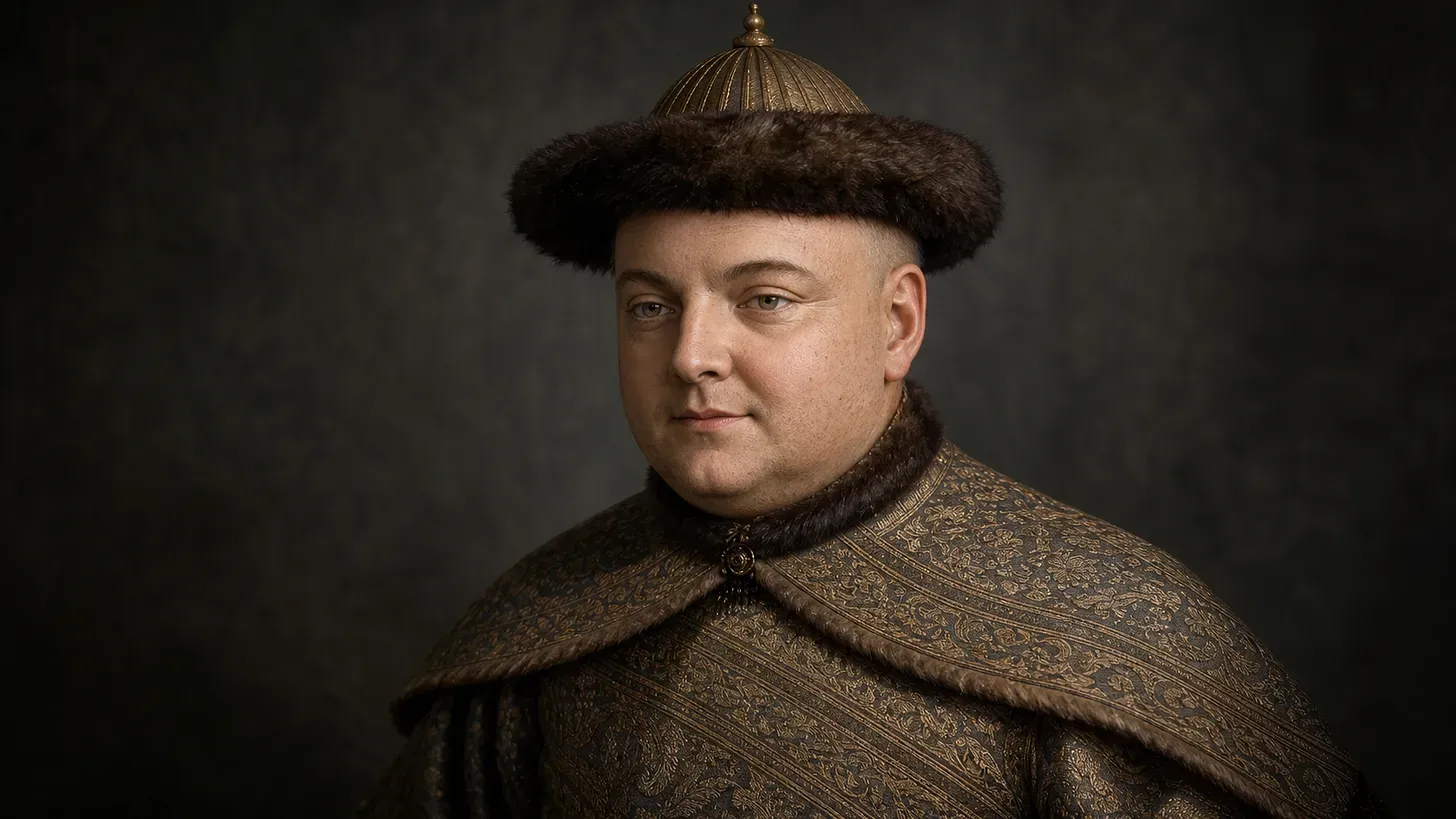
Writing from Beijing, Bouvet told Leibniz that the Chinese Book of Changes preserved revelation from before Moses. He connected its legendary author with the biblical Enoch, treating Chinese interpretations as later additions to a truth he believed a Christian scholar could recover.
Portrait preview · Read more →
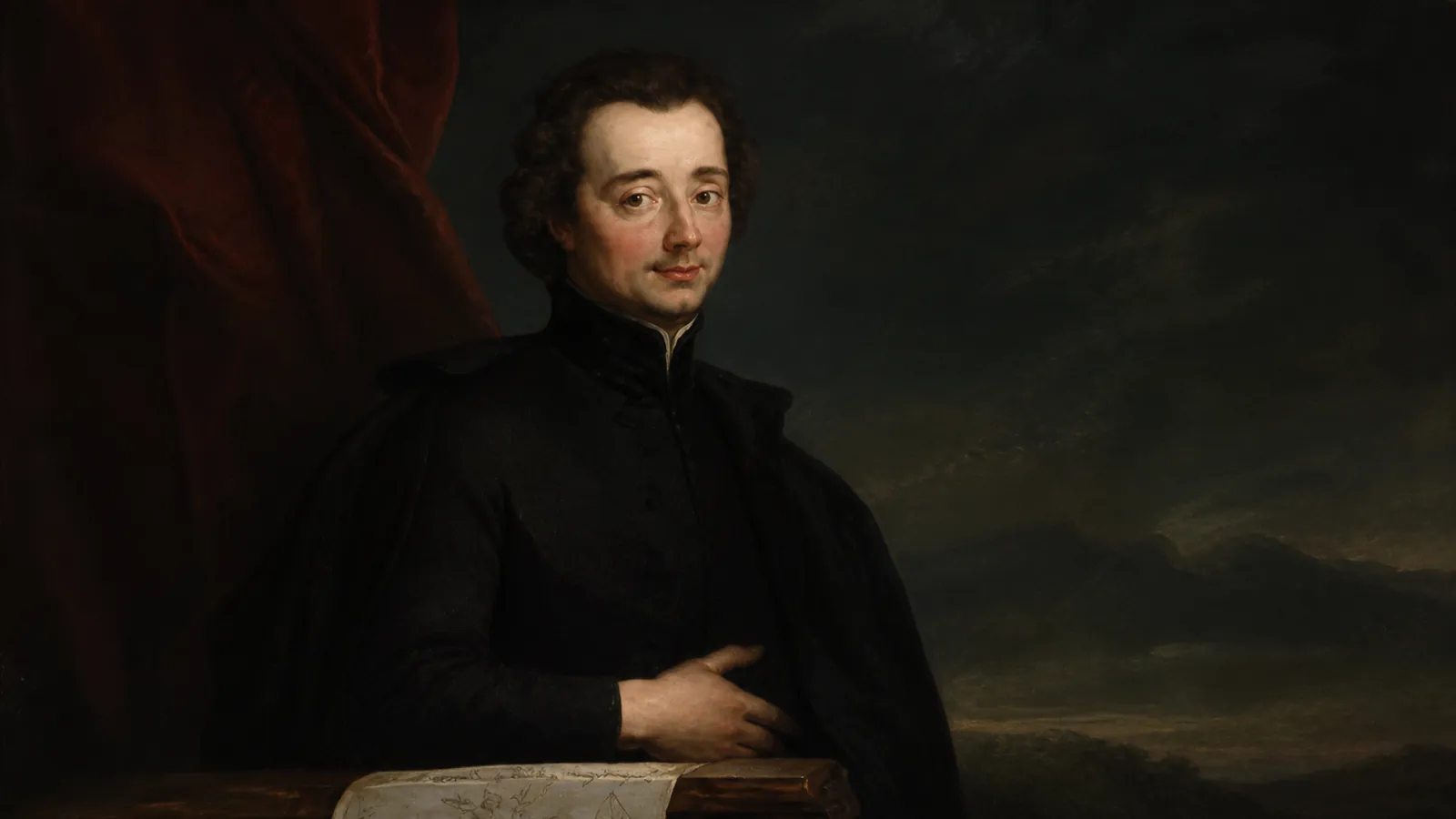
Living at a Mohawk community near Montreal, Lafitau compared Indigenous customs with accounts of ancient Mediterranean peoples. His book drew on observation, missionary experience, and Indigenous knowledge, but arranged that evidence around his belief that distant societies shared a biblical ancestry.
Portrait preview · Read more →
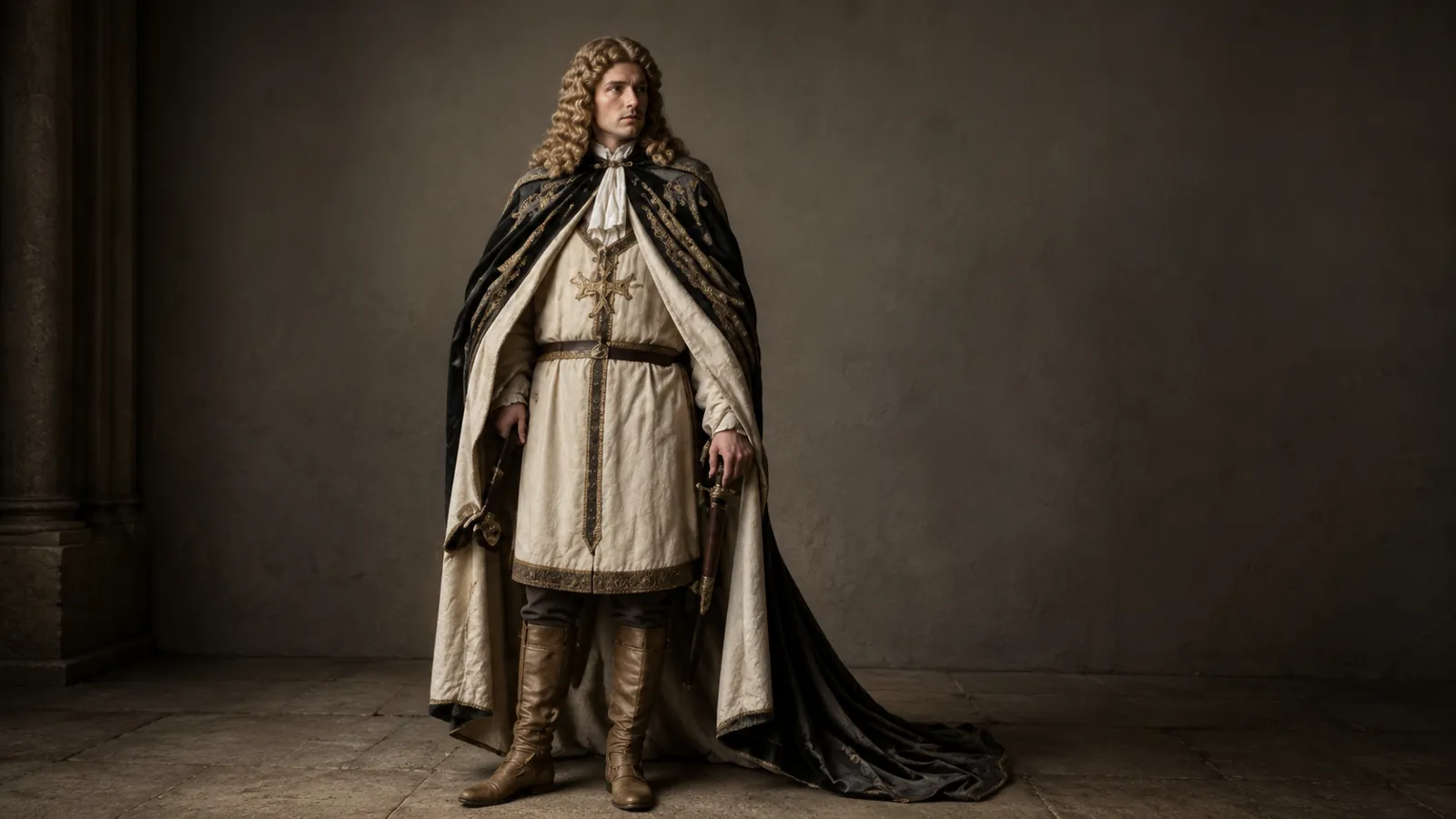
Ramsay brought ancient religious wisdom to readers through the adventures of a Persian prince. He also gave Freemasons a history of their brotherhood. His career shows how a novel and a lodge speech could carry ideas to audiences a theological treatise might never reach.
Portrait preview · Read more →
Mosheim translated Cudworth’s defense of ancient religious wisdom and filled the notes with objections. Where Cudworth found agreement, his translator separated Greek philosophy from eastern teachings he associated with heresy. Readers received a book and a running argument with its author.
Portrait preview · Read more →
Brucker’s history of philosophy challenged forged texts and extravagant claims about the ancestry of ancient sages. Yet recording those claims also kept them in circulation. Readers of his reference work could discover an old argument on the very page that explained why it was wrong.
Portrait preview · Read more →
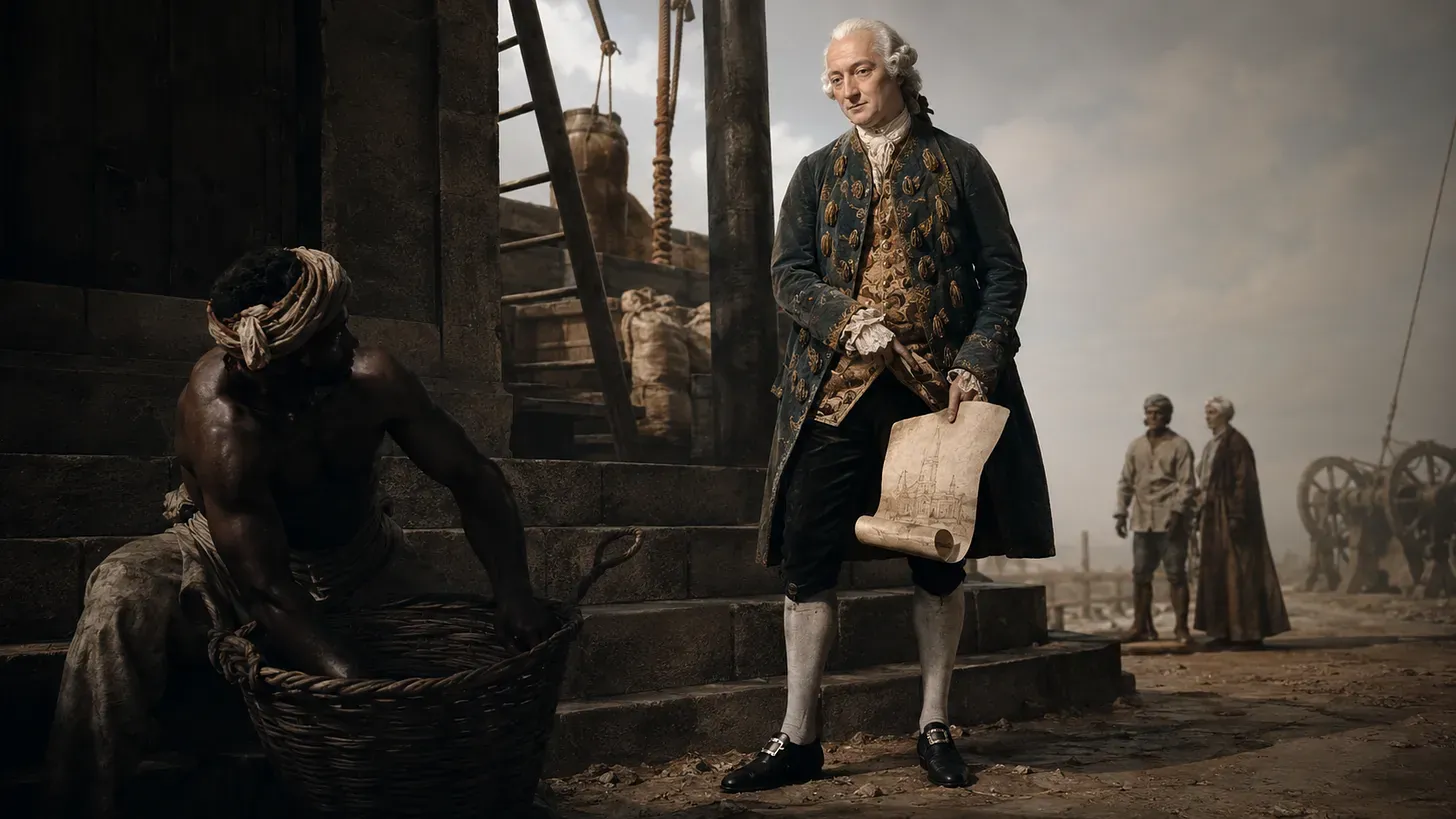
A veteran of British rule in Bengal claimed to have translated an Indian scripture older than the Bible. Its story of fallen spirits and eventual restoration found eager European readers. Holwell’s reputation helped an unverified text enter debates about humanity’s first religion and, eventually, religious dictionaries.
Portrait preview · Read more →
Anquetil-Duperron enlisted as a soldier to reach India and find people who could explain scriptures European scholars could not read. His work with Zoroastrian teachers, and his later translation of Indian texts through Persian, reveals the human encounters behind Europe’s discoveries of ancient wisdom.
Portrait preview · Read more →
Voltaire turned to India and China for histories that challenged the Bible’s privileged place in the past. Reports of a simple, ancient religion helped his case against priestly power. But his trust in welcome Asian evidence could sit awkwardly beside his skepticism toward Christian sources.
Portrait preview · Read more →
Bailly thought ancient astronomy pointed to a lost people who had taught later civilizations what they knew. He searched for their homeland in northern Asia and eventually an Arctic Atlantis. Even Voltaire, sympathetic to a past older than biblical chronology, resisted following him so far north.
Portrait preview · Read more →
Court de Gébelin believed he had found a lost Egyptian book in an ordinary pack of Tarot cards. Their pictures, he argued, preserved ancient wisdom that players no longer understood. His interpretation gave later readers a reason to keep searching the cards for hidden meanings.
Portrait preview · Read more →
Swedenborg reported that a scripture older than the Bible still survived somewhere in Asia. His informants were spirits. The chapter explores his account of this lost book and his conviction that divine instruction had opened meanings in Scripture that ordinary scholarship could not reach.
Portrait preview · Read more →
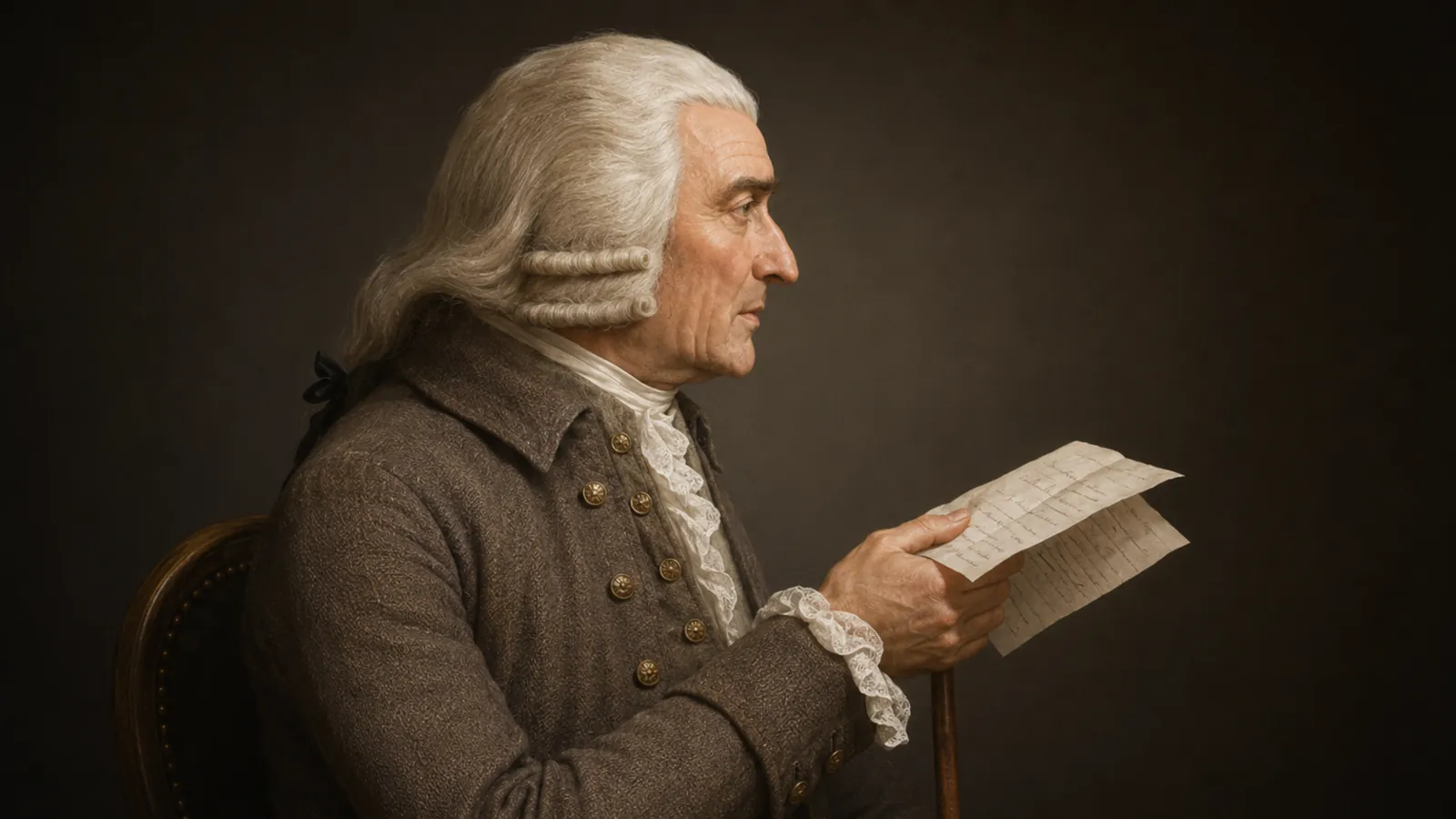
Bryant searched the gods and heroes of ancient mythology for memories of Noah and his family. His New System brought together names, rituals, and images from distant peoples. Even readers who rejected his explanations found a collection of comparisons they could put to other uses.
Portrait preview · Read more →
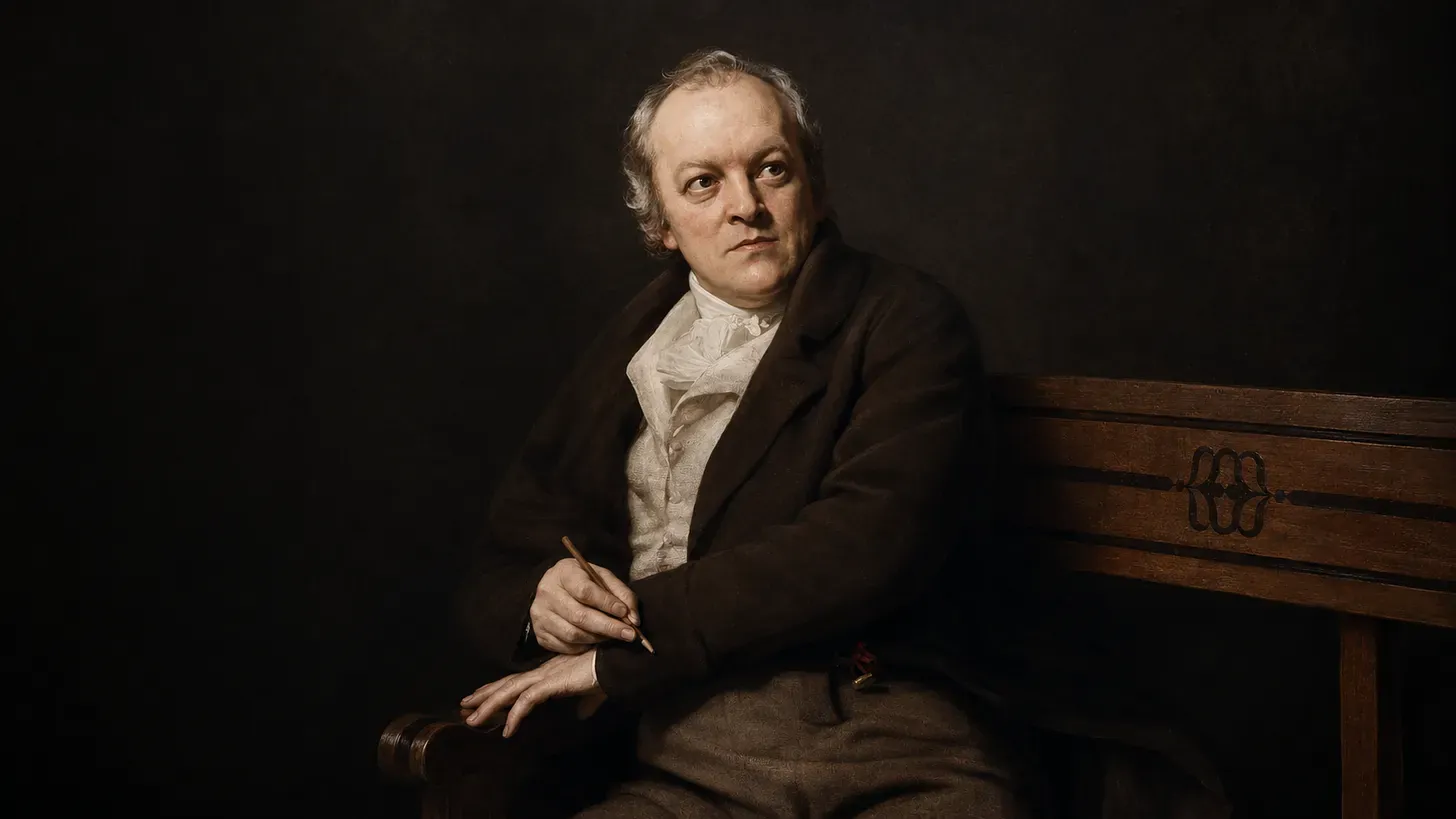
Blake said a vision of his dead brother showed him how to print words and pictures together. His prophetic books turned that method into a religious art of his own, reshaping ancient stories on copper plates he wrote, engraved, and printed himself.
Portrait preview · Read more →
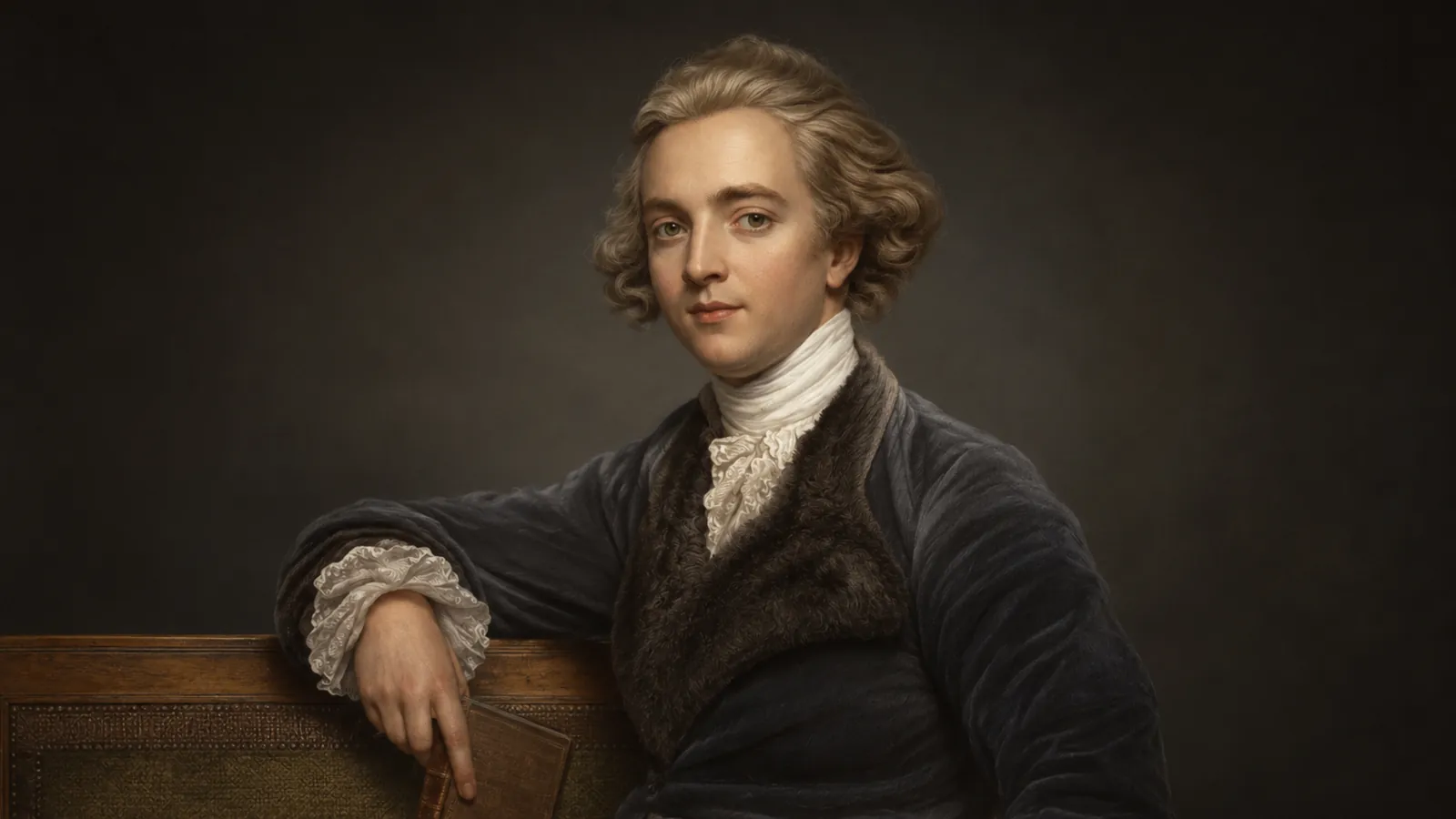
Jones recognized that Sanskrit, Greek, and Latin shared a common ancestry. He placed that discovery within a larger account of peoples descended from Noah, but the languages could establish less than he hoped. The chapter separates a lasting scholarly achievement from the sacred history surrounding it.
Portrait preview · Read more →
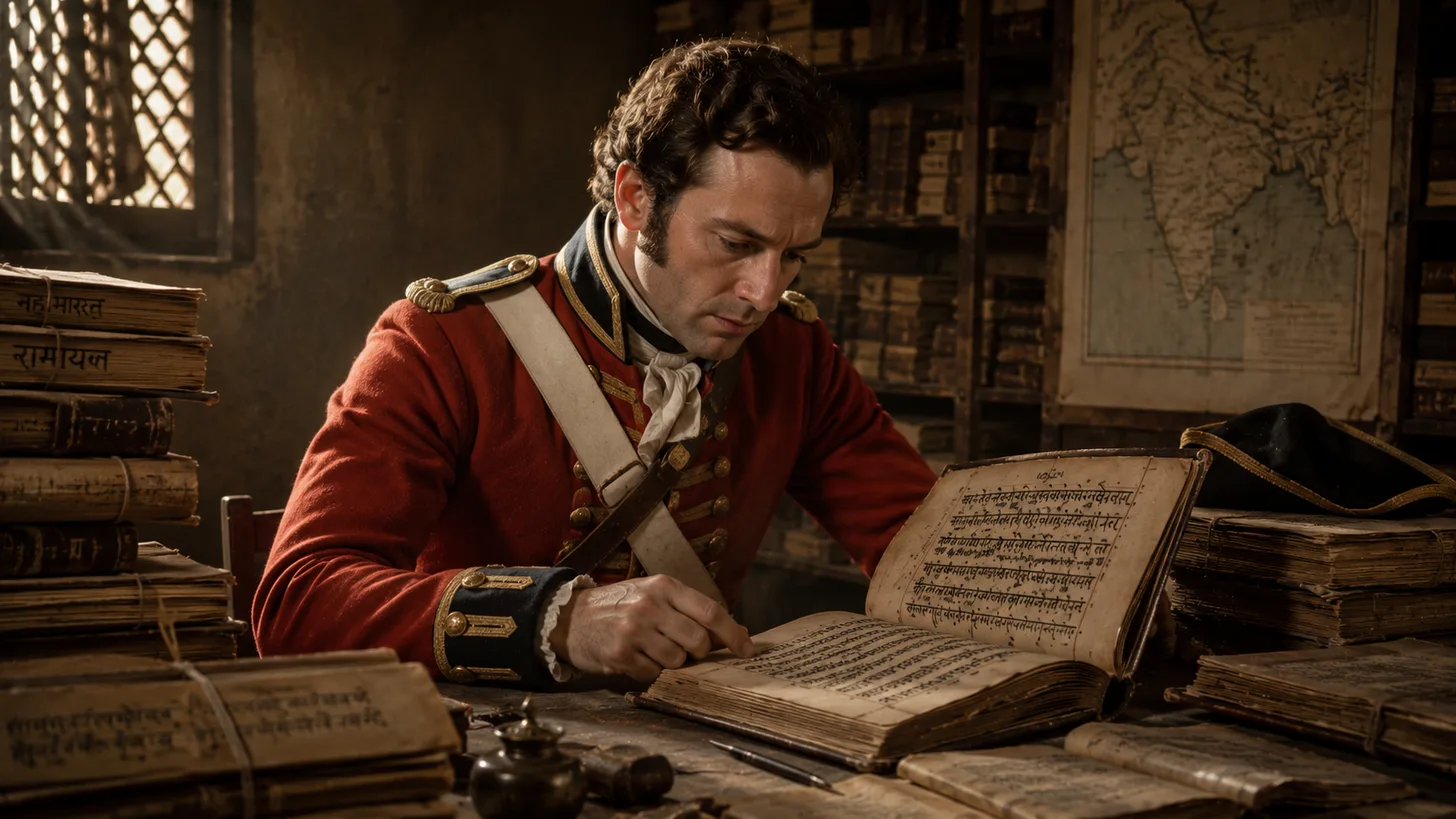
Wilford paid Indian scholars to search Sanskrit texts for links with biblical history. An assistant supplied passages he wanted by inventing them. His public admission in 1805 exposed the deception, but the earlier discoveries had already entered books whose readers might never encounter the correction.
Portrait preview · Read more →
As critics used India’s antiquity against Christianity, Maurice assembled seven volumes arguing the opposite. Hindu traditions, including the gods Brahma, Vishnu, and Shiva, seemed to him to preserve memories of biblical revelation. The same reports from India supplied evidence for competing religious histories.
Portrait preview · Read more →
From his English study, Faber fitted reports of distant religions into a history beginning with Noah’s ark and ending in restoration. His reading of mythology found an American audience in Ethan Smith, who used his work in an argument about the lost tribes of Israel.
Portrait preview · Read more →
Dupuis looked for the origins of religion in the sun, stars, and seasons. He treated sacred stories, including Christian ones, as accounts of the heavens turned into human drama. His comparisons challenged scholars who read those same myths as memories of events in Genesis.
Portrait preview · Read more →
Could the twelve tribes of Israel stand for the twelve signs of the zodiac? Drummond read biblical names and stories as astronomy in disguise. Faber answered him in print, turning their disagreement into a contest over whether Scripture recorded human history or the movements of the heavens.
Portrait preview · Read more →
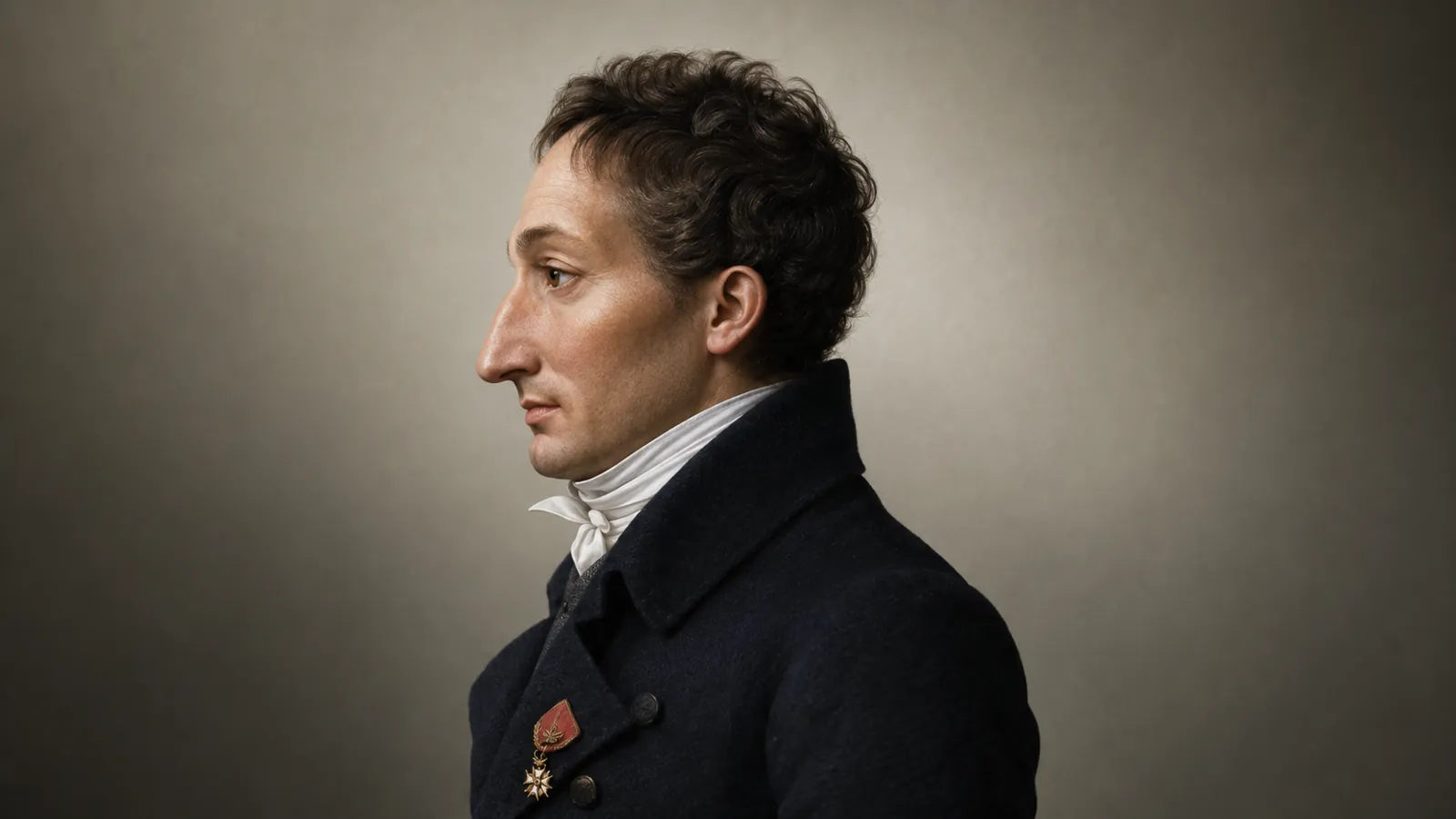
In The Ruins, Volney brought the world’s religions before an imaginary assembly and let their claims collide. Beneath their disagreements, he proposed a common beginning in the worship of nature. The dramatic scene carried arguments about religious origins beyond the readership of specialist books.
Portrait preview · Read more →
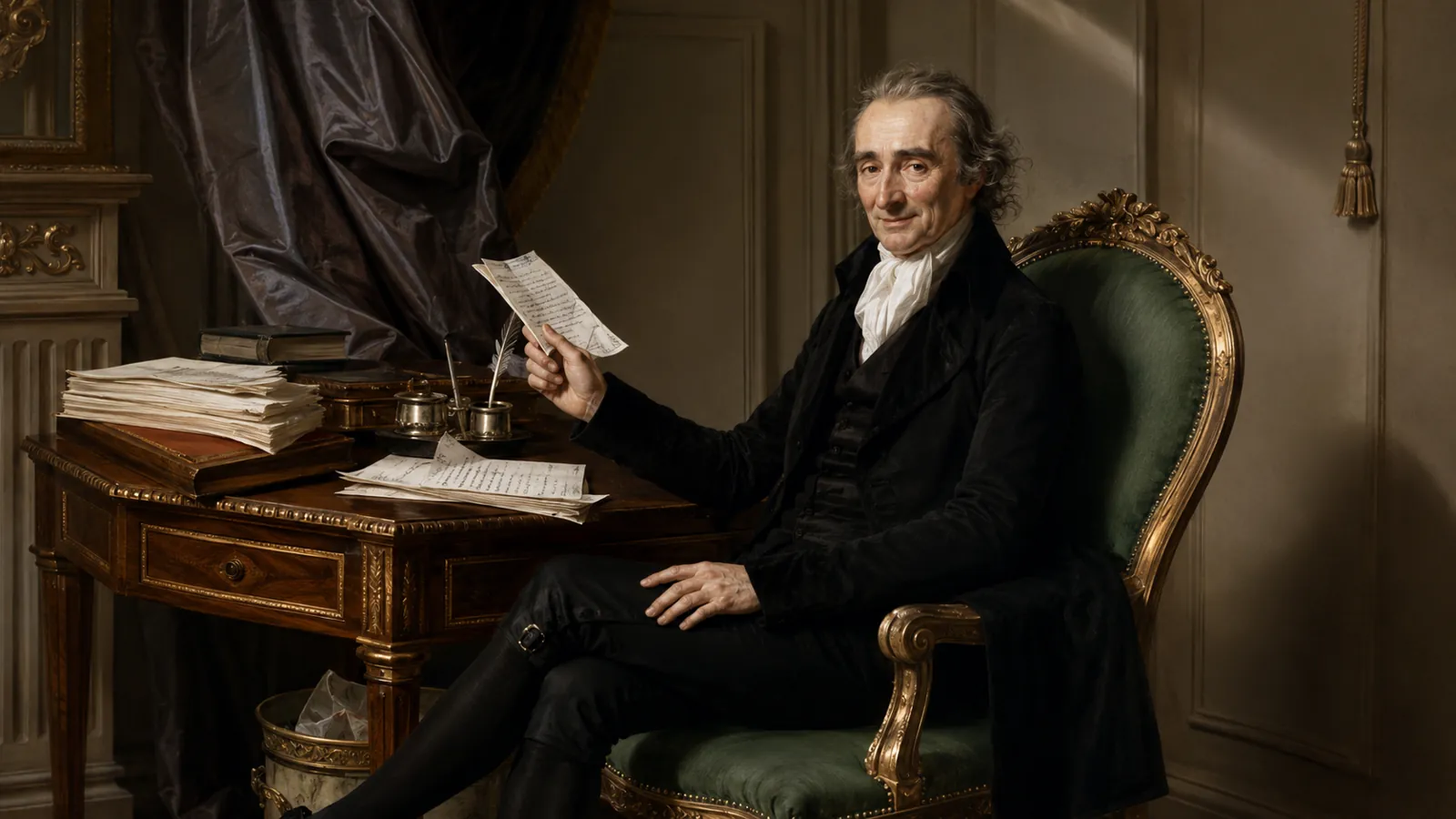
A revelation, Paine argued, reached everyone except its first recipient as somebody else’s story. The Age of Reason asked ordinary readers to judge those reports for themselves. He rejected the authority of churches and scriptures while defending belief in a creator known through nature.
Portrait preview · Read more →
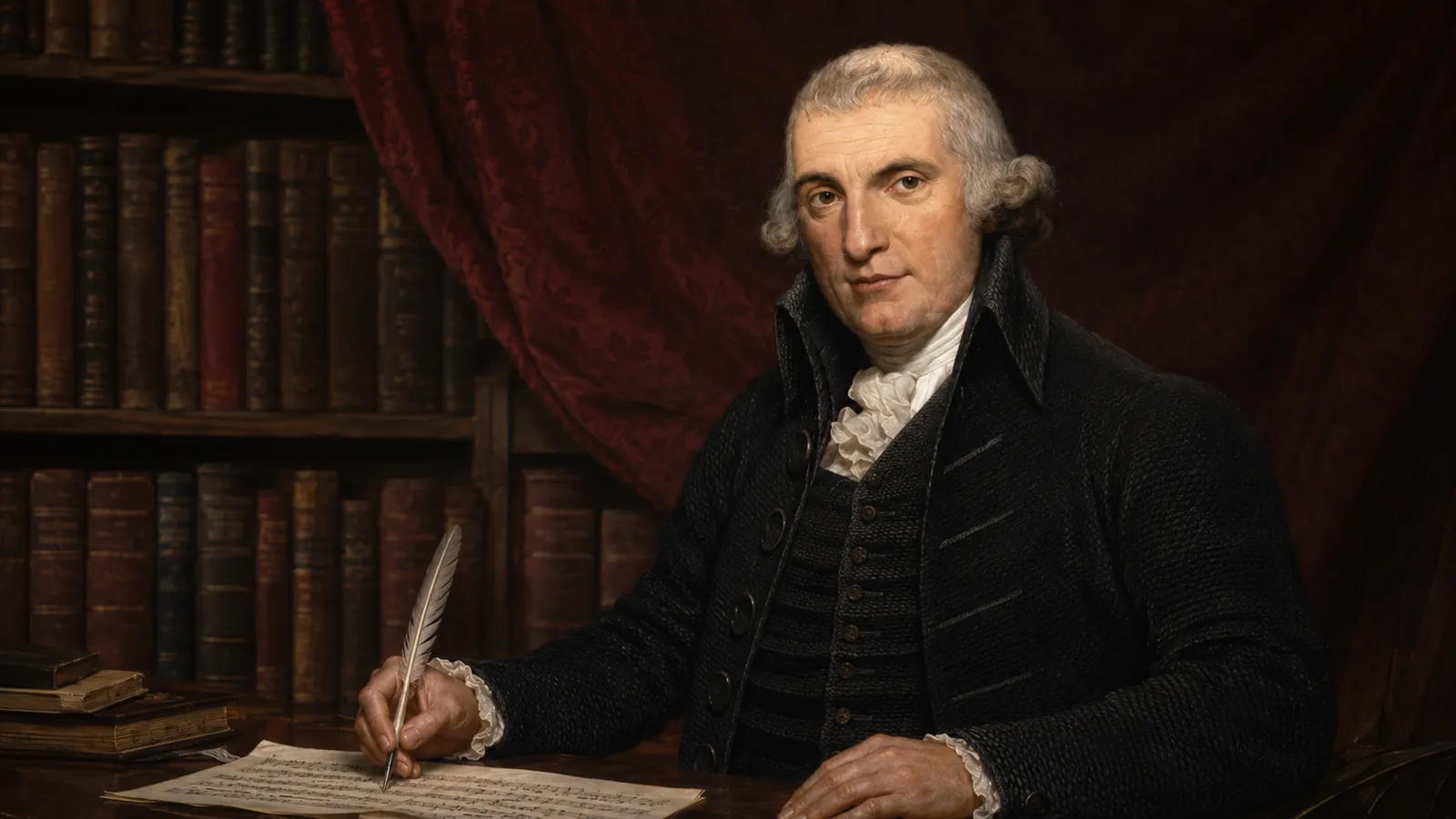
Winchester answered Paine by defending revelation and the resurrection of Christ. He also preached that every soul would eventually be restored to God. His career follows that hope across Britain and America, where it sustained congregations and brought him into disputes with other Christian reformers.
Portrait preview · Read more →
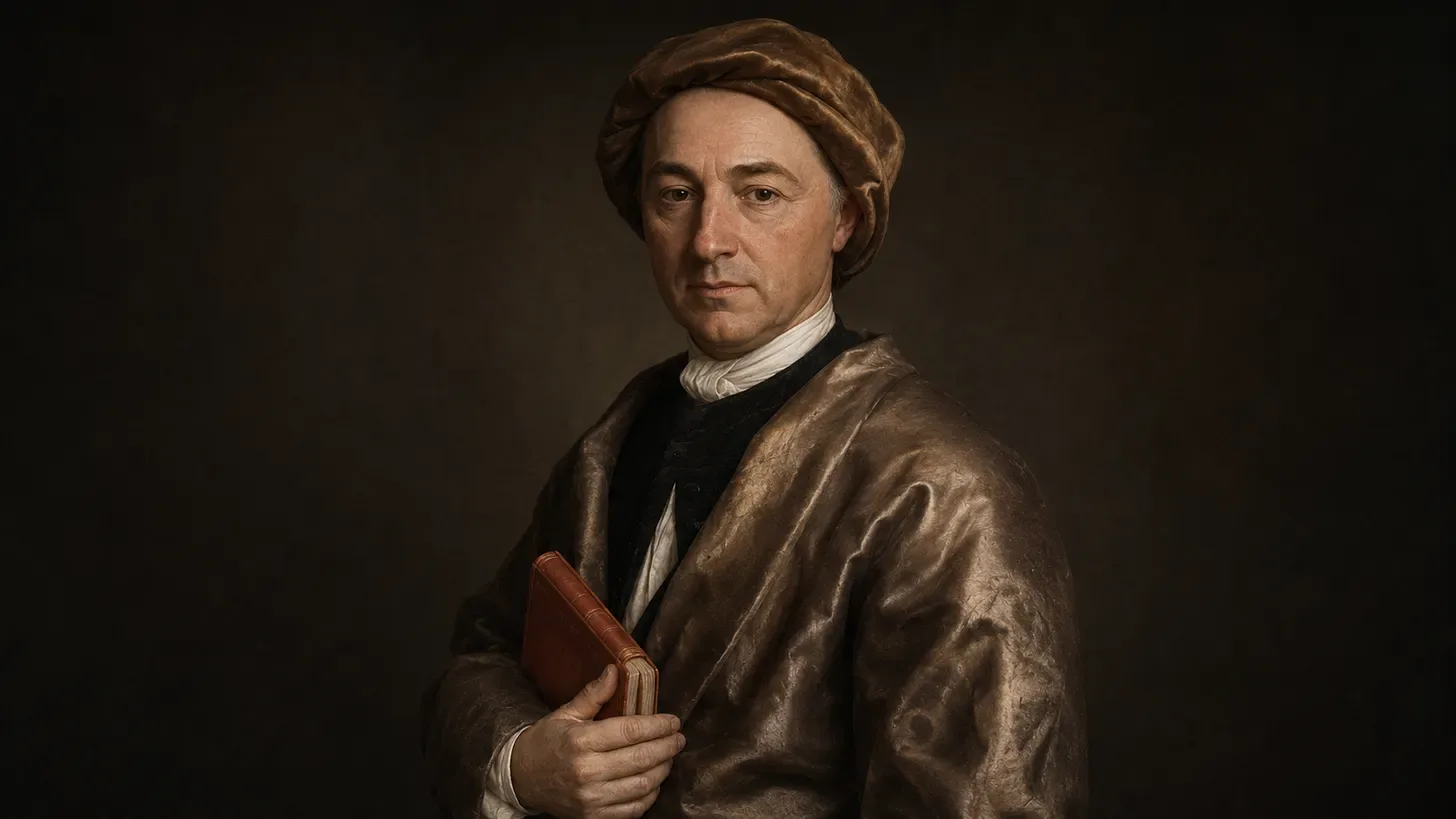
The Yale president studied Hebrew, read Jewish mystical writings, and learned from a rabbi he befriended. Those interests helped shape his hopes for the new American republic. His scholarship and public sermons brought the search for ancient religious knowledge into the life of an established college.
Portrait preview · Read more →
Webb’s Freemason’s Monitor helped American lodges teach their ceremonies and explain their ancestry. Stories of Solomon’s temple and the recovery of lost knowledge became lessons members could enact together. Print and repeated ritual gave the search for ancient wisdom a place in everyday lodge life.
Portrait preview · Read more →
In Philadelphia, Priestley defended revelation from a Universalist pulpit while challenging doctrines other Christians considered essential. He hoped historical research could recover Christianity before the Trinity and other later teachings. Sharing a church with fellow reformers did not mean agreeing about the faith they wanted to restore.
Portrait preview · Read more →
Adams set out to describe religions fairly for readers who could not consult their sources. Her dictionary widened American access to religious knowledge, but it also repeated Holwell’s doubtful account of an ancient Indian scripture. Fair treatment of beliefs could not guarantee reliable evidence about them.
Portrait preview · Read more →
Creuzer believed Greek myths preserved teachings brought from the East by ancient priests. Symbols held meanings that their familiar stories only partly expressed. His reconstruction provoked a debate over how to interpret religious images and how much Greece owed to other civilizations.
Portrait preview · Read more →
Görres read translated Indian scriptures as remnants of humanity’s earliest religion and traced their supposed inheritance across Asia and the Mediterranean. His history reached as far as the Americas, where he used reports of unfamiliar peoples to extend a migration story assembled in the Rhineland.
Portrait preview · Read more →
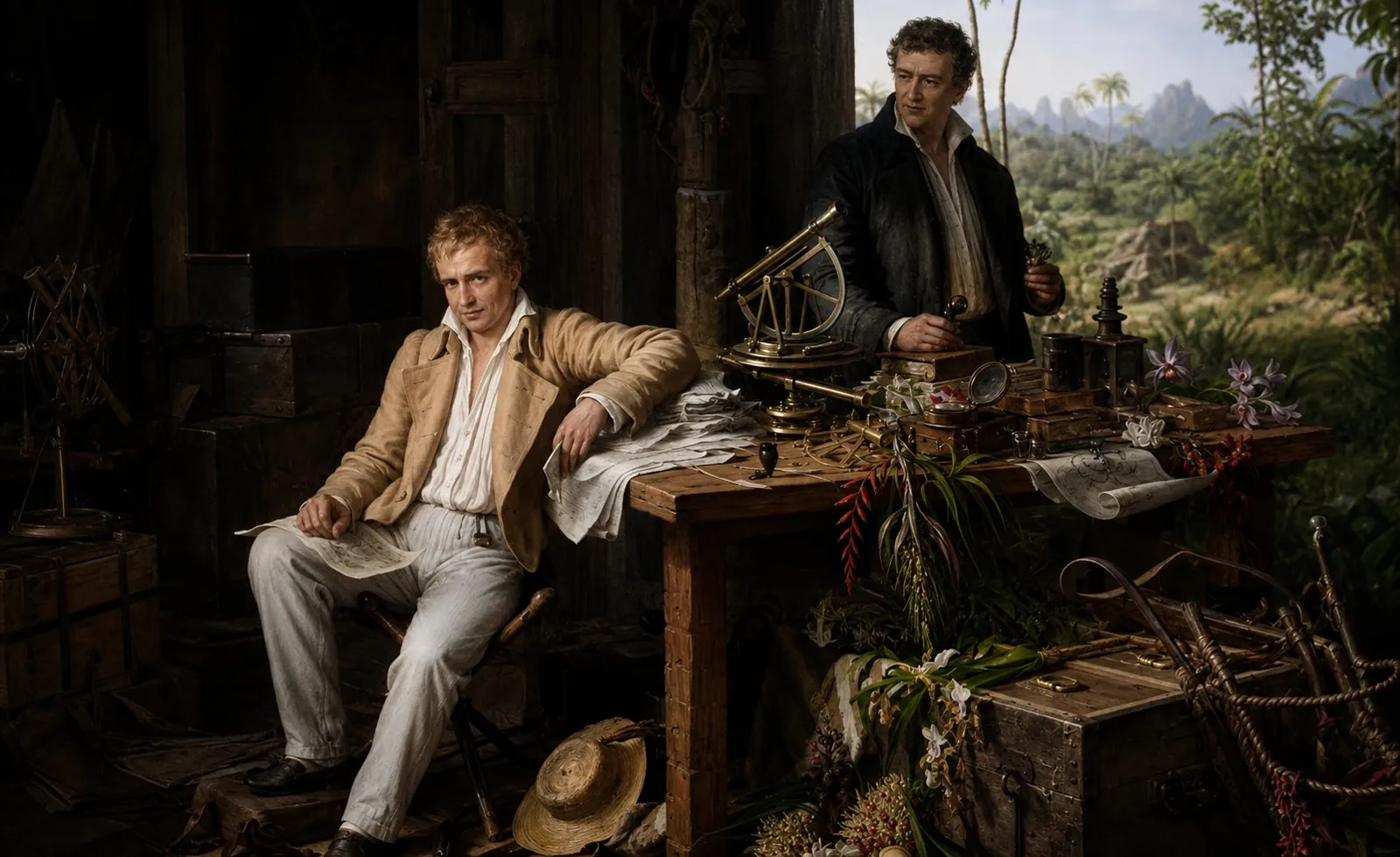
Humboldt’s illustrations and descriptions of American monuments gave European readers evidence they could not examine themselves. He compared traditions across continents but questioned whether similarities proved migration. Later writers often borrowed the examples more readily than the objections that accompanied them.
Portrait preview · Read more →
Was the Indian Budha related to the northern god Woden? Ritter joined comparisons like this to a map of migration from Asia through the Caucasus into Europe. His account of an ancient shared religion became the basis of a book Charles Anthon planned but never published.
Portrait preview · Read more →
New York’s governor argued that America’s great earthworks belonged to a vanished people more skilled than the Indigenous communities around him. His public standing gave the claim authority. The chapter examines how this imagined lost population opened American antiquity to stories of distant origins.
Portrait preview · Read more →
McCulloh changed his mind about America’s ancient ties to Asia. By 1829, he placed their shared inheritance before Babel and proposed that lost land connections had once allowed migration. The oceans on a modern map, he argued, had not always separated the earliest peoples.
Portrait preview · Read more →
In View of the Hebrews, a Vermont minister identified Indigenous Americans with the lost tribes of Israel and made their future part of biblical prophecy. His acknowledged debt to Faber shows how British theories of ancient religion entered American arguments about ancestry and restoration.
Portrait preview · Read more →
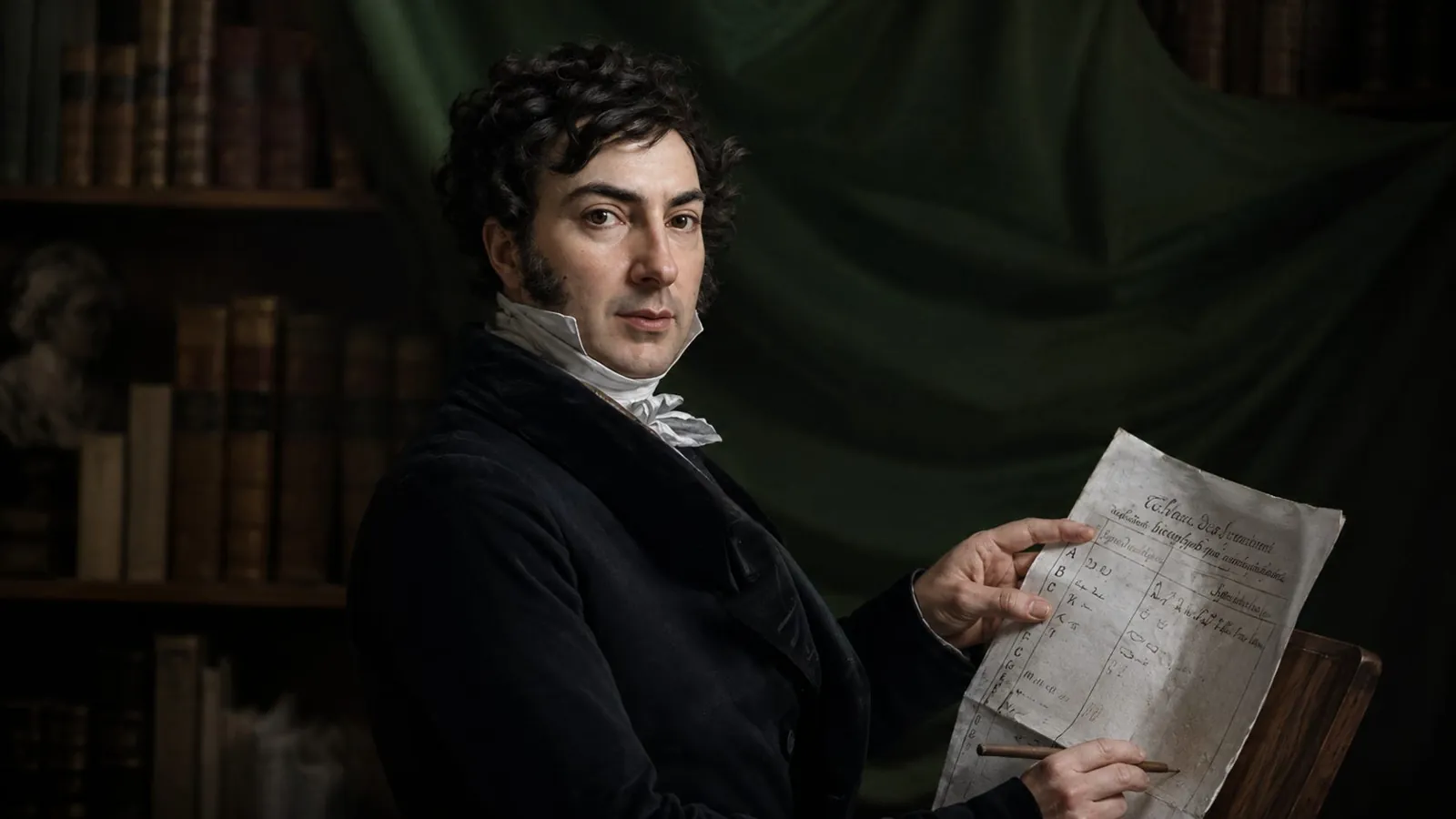
Champollion showed that Egyptian hieroglyphs included signs for sounds, giving scholars a way to read names and sentences on the monuments. His decipherment challenged generations of elaborate symbolic interpretations and made more of ancient Egypt’s own religious testimony available to readers.
Portrait preview · Read more →
Rafinesque tried to decipher American inscriptions, then published what he called an ancient Lenape history preserved on painted sticks. The supposed original could not be inspected. His Walam Olum, now recognized as a fabrication, gave a theory of American migration the appearance of Indigenous testimony.
Portrait preview · Read more →
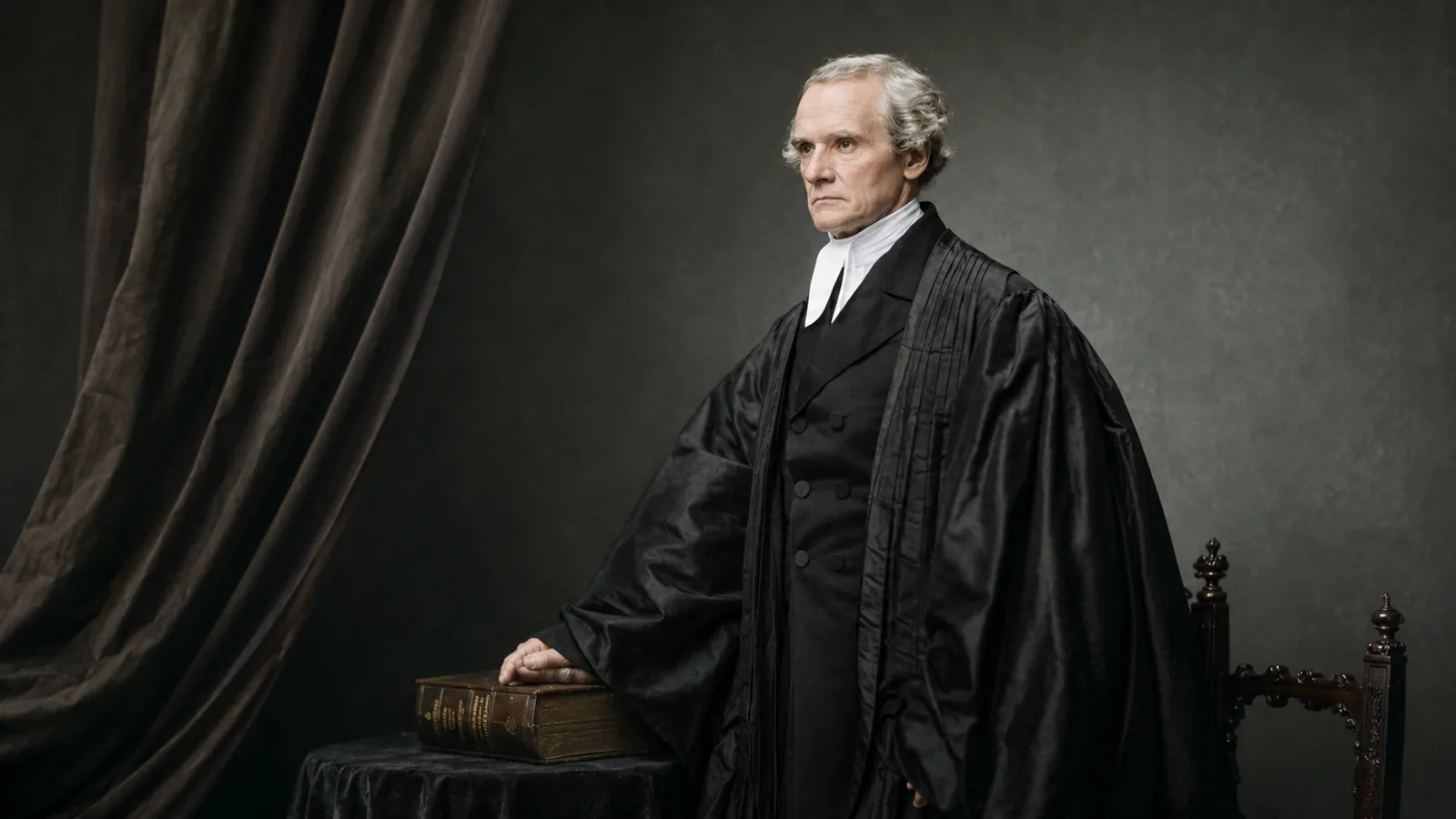
In 1828, a visitor brought Anthon a copy of characters said to come from the Book of Mormon plates. The chapter sets that disputed encounter beside his dictionary and his plans for a book tracing connections between eastern and western religions.
Portrait preview · Read more →
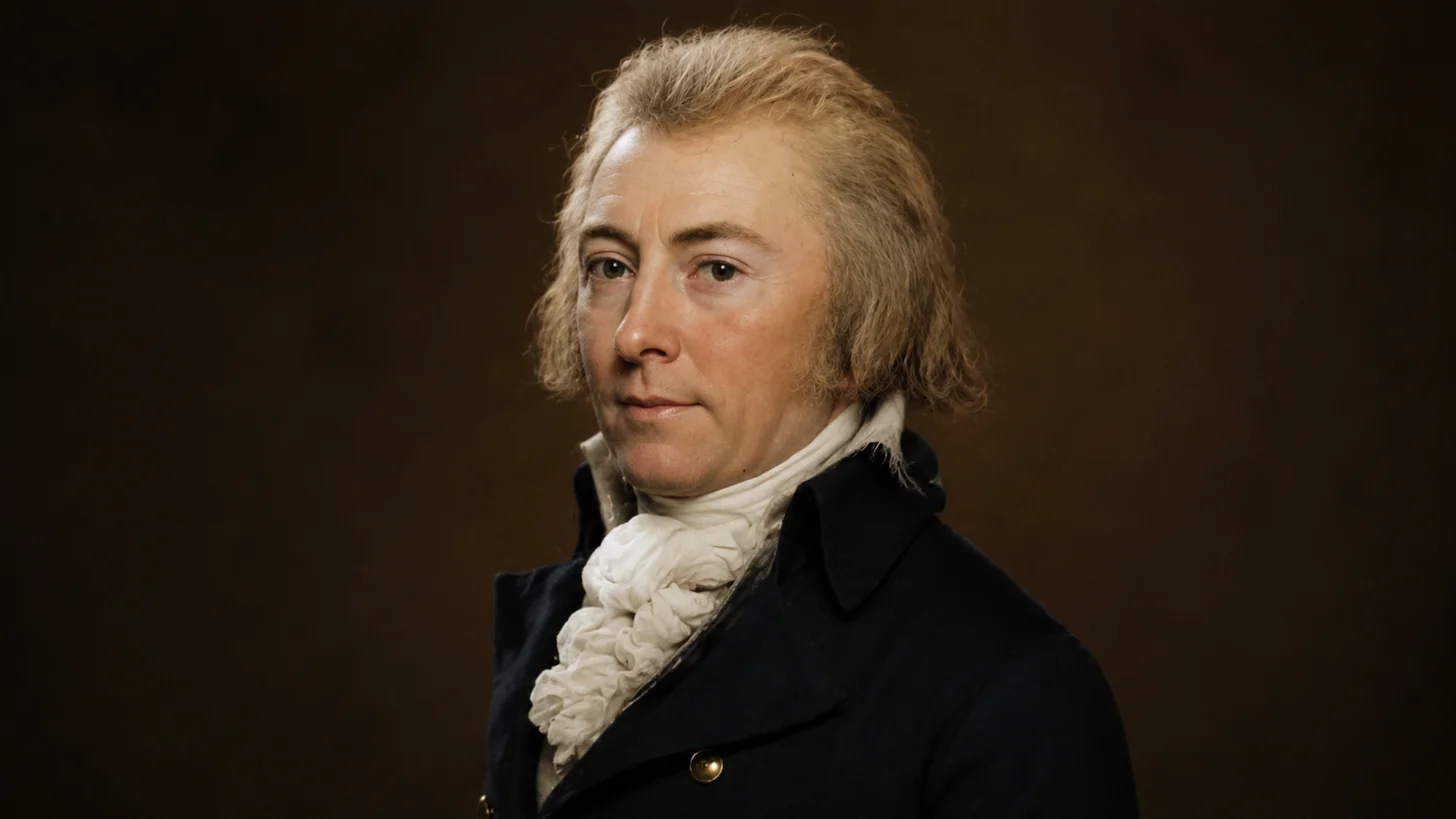
Higgins compared names such as Abraham and Brahma in search of one lost religion behind the world’s faiths. His enormous Anacalypsis ranged through India, solar worship, and ancient symbols. Later occult writers found a rich collection of claims they could select and develop for themselves.
Portrait preview · Read more →
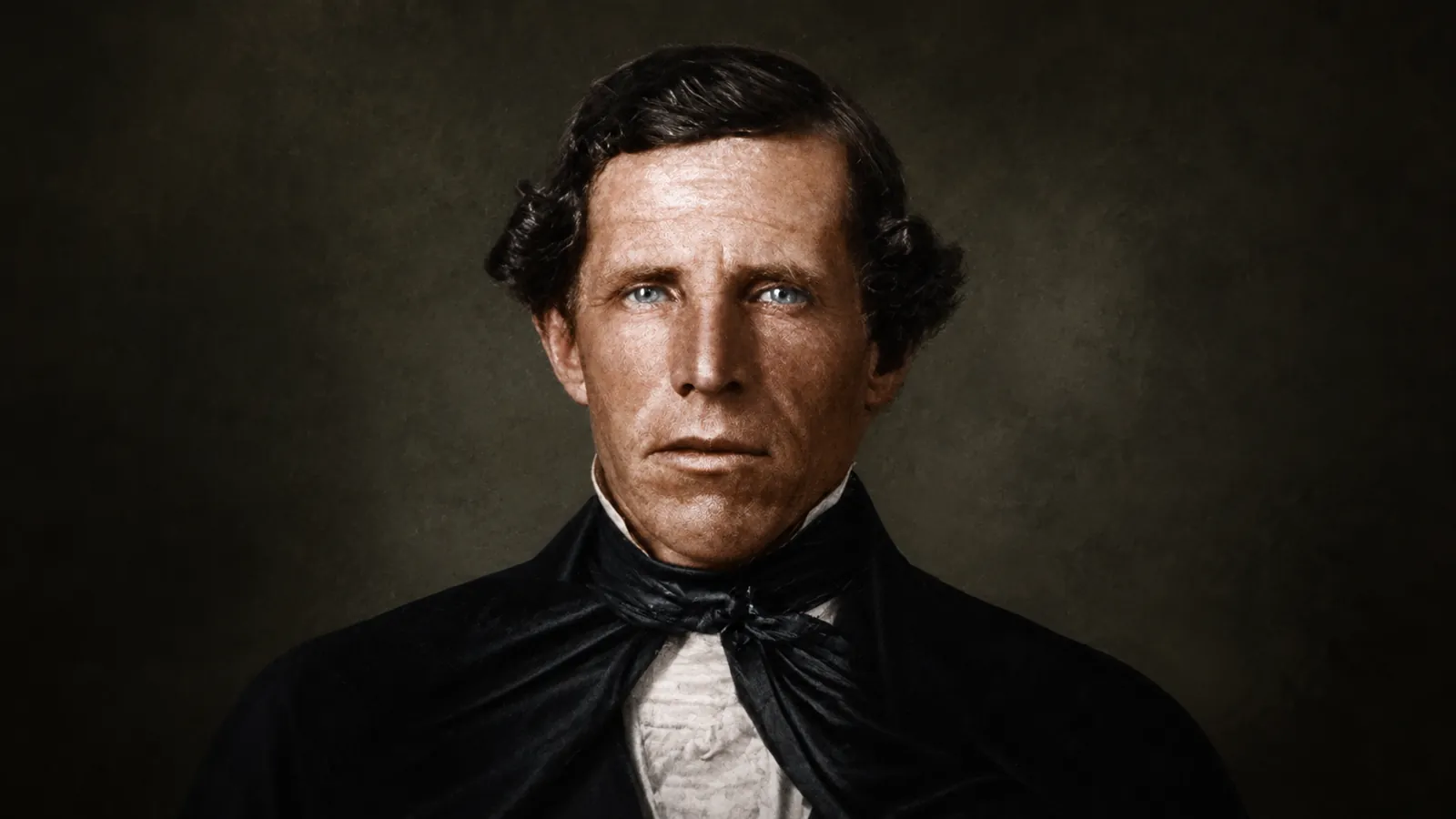
The Book of Mormon presented migrations and religious history as the testimony of ancient Americans, translated from plates by divine gift. It appeared amid debates about lost peoples and restored Christianity. The chapter follows those shared questions into a new scripture and the church that formed around it.
Portrait preview · Read more →
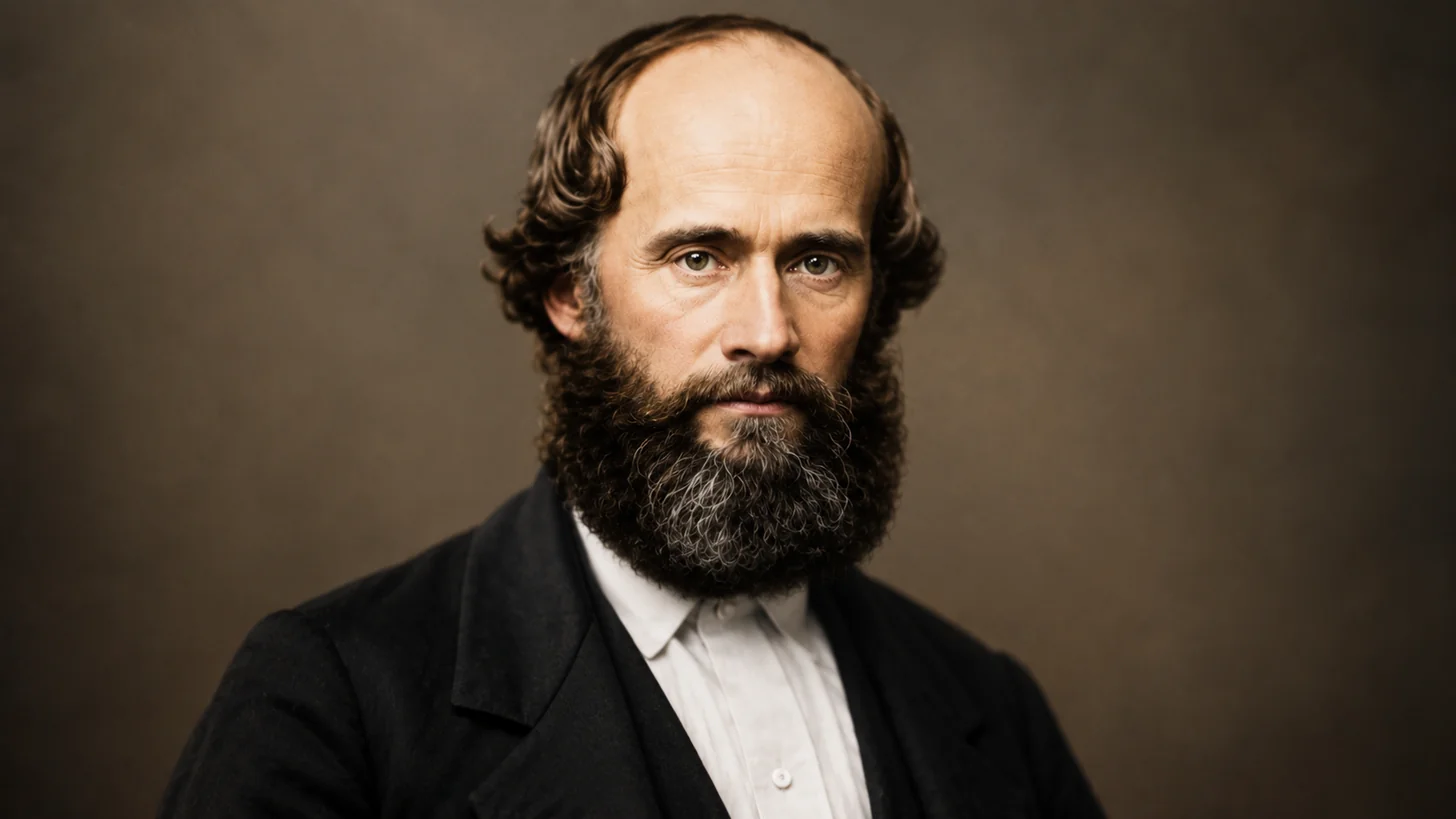
After Joseph Smith’s death, Strang claimed succession through a letter, an angelic ordination, and ancient plates of his own. His followers established a community on Beaver Island, where he was crowned king. Their story shows how rival claims to recovered truth could produce rival churches.
Portrait preview · Read more →